
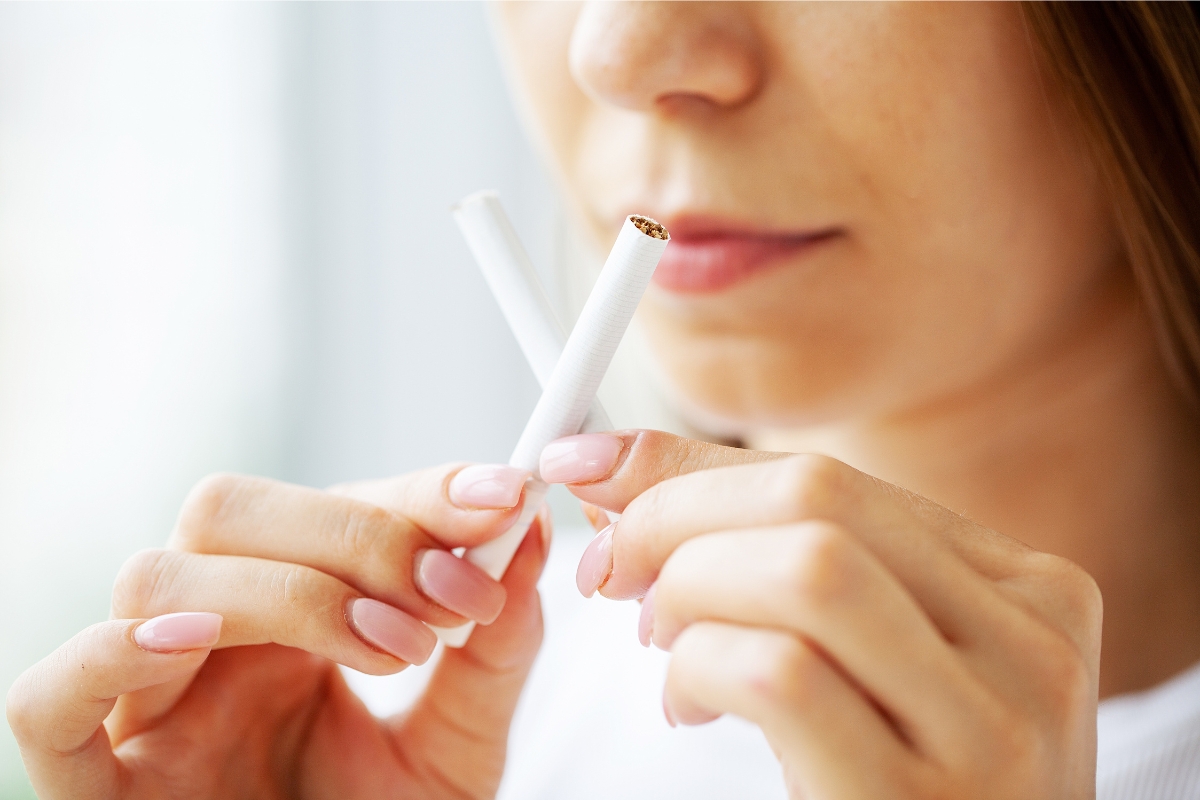
After completing your dental implant procedure, it’s natural to wonder when you can return to your daily habits — especially if smoking is one of them. However, lighting up too soon can jeopardize your healing and the success of your implants. Dental implants require time to integrate with your jawbone, and smoking during this sensitive period can cause complications. Let’s look at why it’s important to wait and how long you should hold off before smoking again.
The Crucial Healing Phase
Dental implants are built to be a long-lasting solution for missing teeth, but their success depends on proper healing. In the first few days after surgery, your gums and jawbone start bonding with the implant through a process known as osseointegration. This stage is vital — any interference can slow recovery or lead to implant failure.
Smoking is one of the biggest culprits behind delayed healing. Nicotine reduces blood flow and oxygen to your gums, which are essential for tissue repair. It also increases the risk of infection and disrupts the formation of protective blood clots. Even though the urge to smoke might be strong, resisting it early on gives your body a much better chance to heal properly.
How Smoking Impacts Dental Implants
Before you light that first cigarette, it helps to understand the damage smoking can cause inside your mouth. Cigarettes contain nicotine, tar, and carbon monoxide — chemicals that interfere with healing and reduce oxygen delivery to the tissues. Limited oxygen slows down the regeneration of healthy gum tissue and bone growth, which are crucial for implant stability.
Additionally, smoking contributes to dry mouth by reducing saliva production. Without enough saliva, bacteria can thrive, increasing the risk of infections and conditions like peri-implantitis — an inflammatory disease that can cause bone loss around the implant and eventually lead to failure.
How Long Should You Wait to Smoke?
When it comes to smoking after dental implants in Fargo, patience really pays off. Most dentists recommend waiting at least 72 hours before smoking again. This short period allows blood clots to form and protects the surgical site from early complications such as dry socket or infection.
That said, the longer you can wait, the better. Ideally, you should avoid smoking for two to three months after your surgery. This timeframe allows osseointegration — the process where the implant fuses with your jawbone — to occur successfully. Smoking during this period can slow down bone healing and significantly increase the risk of implant failure.
What If Quitting Isn’t an Option?
Completely quitting smoking is challenging, especially if you’ve been a long-term smoker. If you’re finding it difficult to stop entirely, cutting back can still make a big difference. Consider using nicotine patches or gum as alternatives during your healing phase. These options provide nicotine without exposing your mouth to the harmful toxins found in cigarette smoke.
If you can’t completely quit, try to minimize your smoking frequency and avoid smoking right after meals or dental cleanings. Every small effort helps protect your gums and implant site from irritation and infection.
Tips for Faster Healing
Even if you plan to return to smoking later, there are ways to support your mouth during recovery and improve your implant’s success rate:
Stay Hydrated: Drink plenty of water to prevent dry mouth and flush out bacteria. Proper hydration also promotes better blood circulation for healing.
Use Antibacterial Mouthwash: Follow your dentist’s advice on using mouthwash to reduce bacteria and infection risk.
Eat Soft Foods: Stick to soft foods that are gentle on your gums and implants. Avoid crunchy or sticky foods that might disrupt healing.
Keep Up with Dental Visits: Attend all follow-up appointments to ensure your implant is healing correctly. Report any pain, swelling, or discomfort right away.
Long-Term Effects of Smoking on Oral Health
Even after your dental implant has fully healed, it’s important to consider how smoking affects your long-term oral health. Continuous smoking can stain your teeth, increase your risk of gum disease, and even lead to future tooth loss. While your implant may survive, your overall oral health could still suffer.
If quitting seems overwhelming, talk to your dentist in Fargo or healthcare provider about smoking cessation programs or medications that can help. The benefits of quitting go far beyond your mouth — they impact your entire well-being.
Final Thoughts
So, when can you smoke after dental implants? While you can technically smoke after 72 hours, it’s much safer to wait at least two to three months. This allows your implant to fuse securely with your jawbone and reduces the chance of complications.
Remember, smoking too soon can lead to implant failure — undoing all the time, effort, and money you invested in restoring your smile. Giving your body the proper time to recover can make all the difference.
If you’re struggling to quit, explore alternatives like nicotine patches or gum to get you through the recovery period. The healthier your gums and jawbone are, the stronger and longer-lasting your dental implant will be. Take this healing period as an opportunity to protect not only your new implant but your overall oral health.
FAQs About Smoking After Dental Implants
Can I smoke 24 hours after dental implant surgery?
No, smoking within 24 hours is strongly discouraged. Your surgical site is extremely sensitive during this time, and smoking can dislodge blood clots, delay healing, and increase the risk of infection or dry socket.
What happens if I smoke too soon after getting dental implants?
Smoking too early can reduce blood flow, introduce harmful toxins, and prevent proper osseointegration — the process where the implant bonds with your jawbone. This can cause implant failure, pain, and infection.
Can I vape instead of smoking after dental implants?
Vaping may seem like a safer option, but it still contains nicotine and other chemicals that can slow healing. Dentists recommend avoiding all forms of nicotine until your implant site has fully healed.
How long should I avoid smoking for the best implant results?
Ideally, you should avoid smoking for at least 2–3 months after your procedure. This gives your implant time to integrate with your jawbone and significantly lowers the chance of complications.
What are some alternatives to smoking during recovery?
Nicotine patches, gum, and lozenges are good alternatives that don’t expose your mouth to harmful smoke or heat. Drinking more water, chewing sugar-free gum, or engaging in stress-relieving activities can also help manage cravings.
Does smoking after healing still affect my dental implants?
Yes. Even after healing, long-term smoking can increase the risk of gum disease, bone loss, and peri-implantitis, which may cause implant failure over time. Cutting down or quitting will greatly benefit your oral health.

