
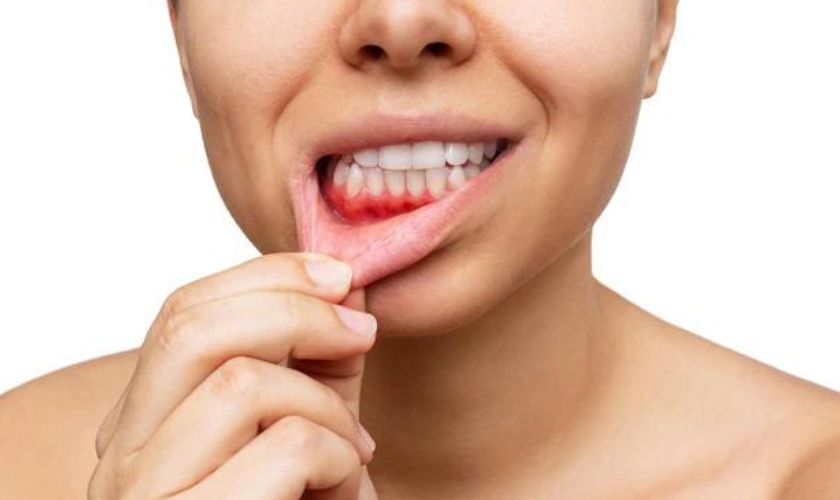
Do you suffer from Periodontal Disease? Periodontal disease, also known as gum disease, is a common infection that affects the gums and bones that support your teeth. Left untreated, it can cause severe damage to your mouth and even lead to tooth loss. Fortunately, many treatments available for Periodontal Disease can help restore your oral health. In this article, we’ll explore the best treatment for Periodontal Disease and how you can get started on the road to recovery.
Symptoms of Periodontal Disease
Pain when chewing or tooth sensitivity
Swollen or puffy gums
Bleeding gums, especially when brushing or flossing
Receding gums, making teeth appear longer
Persistent bad breath or bad taste in the mouth
Loose teeth or changes in how your teeth fit together when you bite
Best Treatments for Periodontal Disease
The best treatment option for Periodontal Disease depends on the severity of your condition. Mild Periodontal Disease may respond well to treatments such as professional cleanings and improved oral hygiene habits. More severe Periodontal Disease may require more advanced treatment, such as scaling and root planing (deep cleaning), gum grafting, or even surgery.
1. Scaling and Root Planing (Deep Cleaning)
Scaling and root planing are often the first line of defense against periodontal disease. This non-surgical procedure involves removing plaque and tartar from below the gum line (scaling) and smoothing out the tooth roots (root planing) to help the gums reattach to the teeth.
Benefits: Deep cleaning can significantly reduce gum inflammation and halt the progression of periodontal disease.
Who It’s For is Ideal for patients with mild to moderate gum disease who have not responded well to standard cleanings.
2. Antibiotic Therapy
Antibiotics can be used alongside other periodontal treatments to target and kill bacteria responsible for gum infection. They can be administered as oral medications, topical gels, or directly placed in the gum pockets as slow-release fibers.
Benefits: Helps reduce bacterial levels and inflammation in the gums.
Who It’s For Recommended for patients with persistent gum infection even after scaling and root planing.
3. Laser Therapy
Laser therapy has become a popular alternative to traditional periodontal treatment. This minimally invasive procedure uses laser light to remove infected gum tissue and bacteria from the periodontal pockets.
Benefits: Laser therapy reduces bleeding, swelling, and discomfort during and after the procedure. It also promotes faster healing and lessens the risk of gum recession.
Who It’s For Suitable for patients with moderate to advanced periodontal disease who are seeking a less invasive treatment option.
4. Pocket Reduction Surgery (Flap Surgery)
Pocket reduction surgery, or flap surgery, is a surgical procedure aimed at reducing the depth of periodontal pockets, making them easier to clean and maintain. During this procedure, the gums are lifted back, and tartar is removed from deep below the gum line. The gum tissue is then sutured back into place to reduce pocket depth.
Benefits: Provides direct access to deep periodontal pockets, allowing for thorough cleaning and reshaping of the bone if necessary.
Who It’s For Best suited for patients with advanced gum disease and deep periodontal pockets that cannot be managed with non-surgical treatments.
5. Gum Grafting
Gum grafting is a surgical procedure used to cover exposed roots or thinned gum tissue. Tissue is usually taken from the roof of the mouth and stitched over the affected area, promoting healthier gums and preventing further recession.
Benefits: Improves the appearance of the gums, reduces sensitivity, and protects the teeth from further damage.
Who It’s For is Recommended for patients with receding gums due to periodontal disease.
6. Bone Grafting and Regenerative Procedures
Bone grafting and regenerative procedures are used to rebuild bone and tissue that have been destroyed by periodontal disease. Bone grafts can be synthetic, taken from another part of the patient’s body, or sourced from a donor. Regenerative techniques like guided tissue regeneration help stimulate the growth of bone and gum tissue.
Who It’s For Typically used for patients with significant bone loss due to severe periodontal disease.
Benefits: Helps restore lost bone and gum tissue, enhancing support for teeth and reducing the risk of tooth loss.
Periodontal Disease is an infection that affects the gums and bones that support your teeth. Left untreated, it can cause severe damage to your mouth, including tooth loss. Many treatments available for Periodontal Disease, such as professional cleanings, scaling and root planing, and gum grafting, can help restore oral health. Your periodontist can help you decide which treatment option best suits your needs.

