
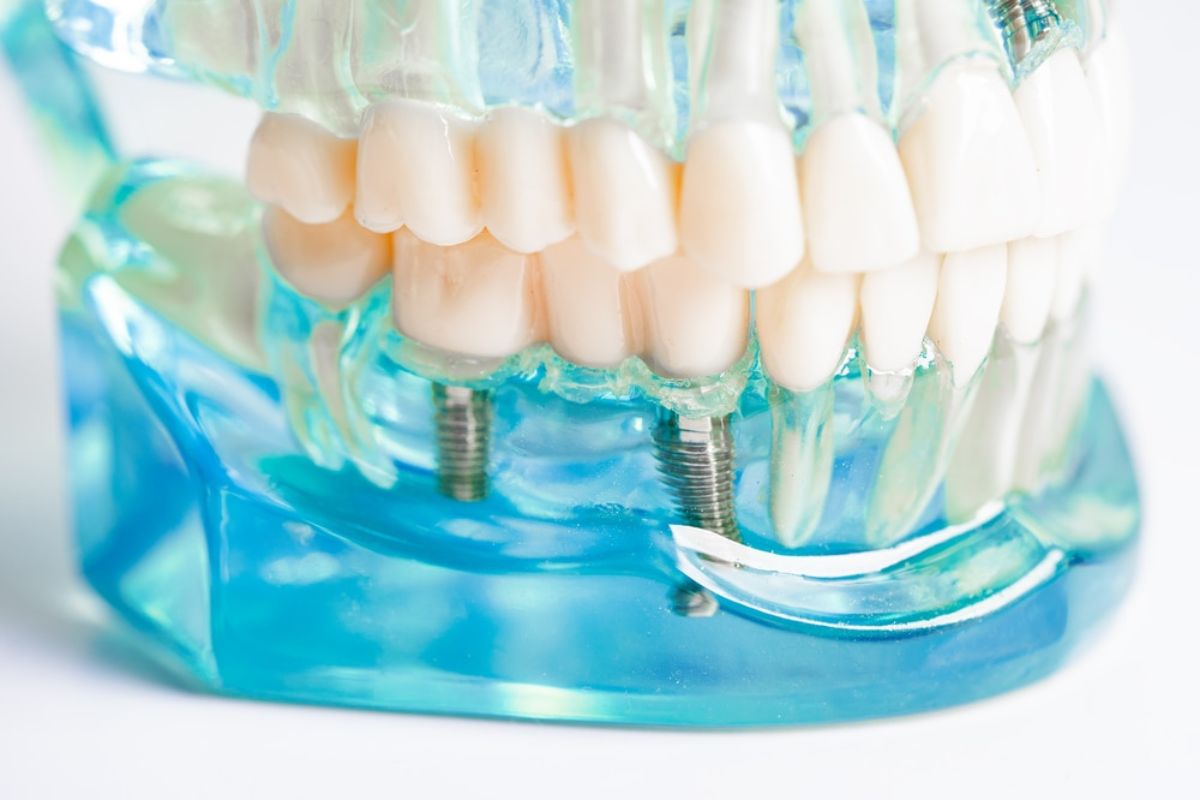
Dental implants are a reliable and effective way to restore missing teeth, providing a natural look and long-lasting results. However, proper aftercare is crucial to ensure the healing process goes smoothly and prevent infections that could compromise the procedure’s success. This blog will discuss the best practices for keeping dental implants healthy and infection-free.
Maintain Excellent Oral Hygiene
Keeping your mouth clean is one of the most important ways to prevent infection after a dental implant. Proper oral hygiene is essential since bacteria can accumulate around the implant site.
- Brush your teeth at least twice a day using a soft-bristled toothbrush.
- Use a non-alcoholic mouthwash to reduce bacterial buildup.
- Floss daily, being careful around the implant area to prevent irritation.
- Consider using an interdental brush or water flosser to clean hard-to-reach areas around the implant.
Follow Your Dentist’s Post-Op Instructions
Your dentist will provide you with specific aftercare instructions to ensure proper healing. Follow these guidelines closely to minimize the risk of infection.
- Take prescribed antibiotics as directed to prevent bacterial infections.
- Avoid touching or disturbing the implant site with your tongue or fingers.
- Stick to a soft-food diet for the first few days to avoid putting pressure on the implant.
- Refrain from using straws or smoking, as these can disrupt healing and introduce bacteria.
Watch for Signs of Infection
Early detection of infection can prevent complications and help save your dental implant. Be aware of these common symptoms:
- Persistent pain or discomfort that doesn’t improve over time
- Swelling, redness, or tenderness around the implant site
- Pus or an unusual discharge from the area
- Bad breath or a foul taste in your mouth
- Fever or feeling generally unwell
If you notice these signs, contact your dentist immediately for evaluation and treatment.
Avoid Smoking and Alcohol
Smoking and excessive alcohol consumption can significantly increase the risk of infection and implant failure. Nicotine reduces blood flow to the gums, slowing down the healing process, while alcohol can dry out oral tissues and disrupt the immune response. If you are a smoker, consider quitting before your implant procedure to improve your chances of success.
Regular Dental Checkups
Regular dental visits are essential for maintaining oral health even after your implant has healed. Your dentist will monitor the implant and surrounding tissues, ensuring everything remains in optimal condition. If you are searching for a dental implant in Fargo or nearby areas, Dakota Smiles will help you with routine checkups and implant maintenance.
Additionally, if you are considering a dental implant in Fargo, choosing a reputable dental provider specializing in implant procedures is essential. Proper care and professional oversight can significantly improve the longevity of your implant.
Choosing the Right Dental Professional
Your dental implant’s success also depends on your dentist’s expertise. Choosing an experienced implant specialist who follows strict sterilization protocols can significantly reduce the risk of infections and complications.
Conclusion
Preventing infection after a dental implant requires proper care, attention, and professional guidance. Maintaining good oral hygiene, following post-op instructions, and attending regular dental visits can ensure a smooth healing process and long-lasting results. Dakota Smiles is dedicated to providing high-quality dental care and helping our patients achieve healthy, beautiful smiles. If you have concerns about your dental implant or need expert advice, contact our team today!

