
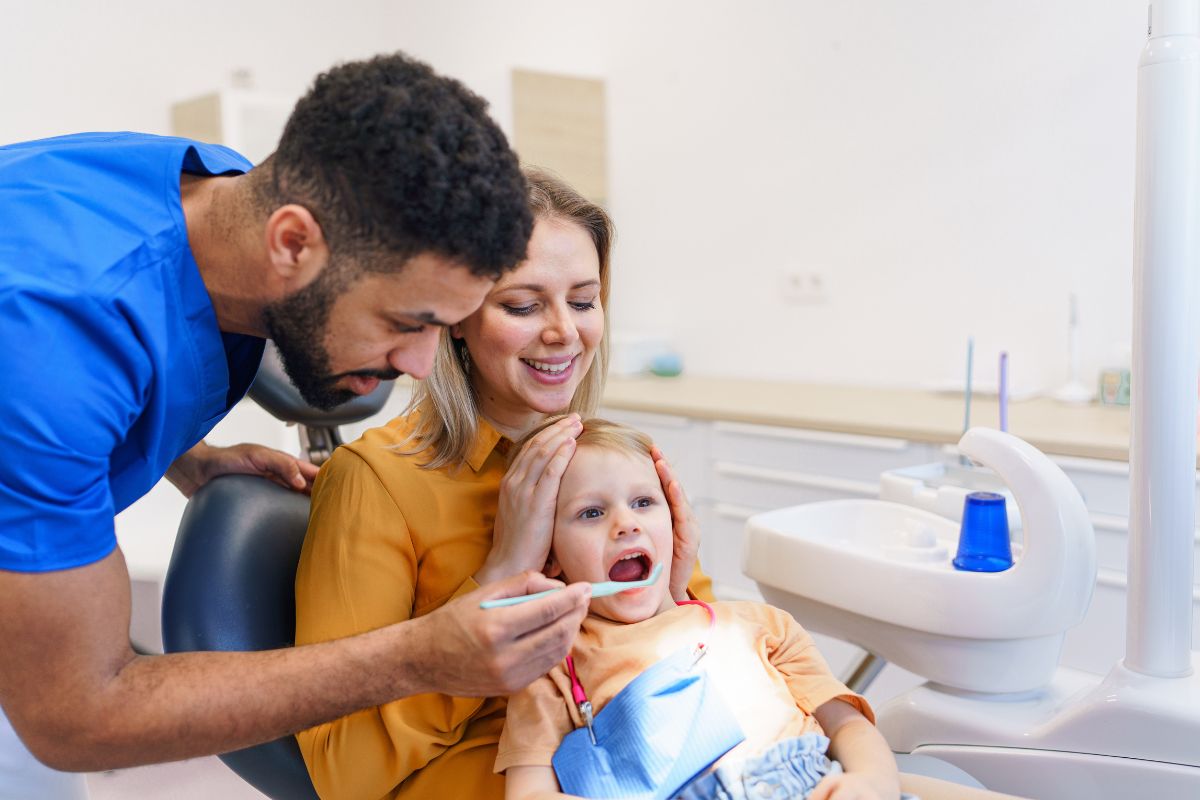
Ensuring that children develop and maintain healthy teeth and gums from an early age is crucial for their overall health. However, children often don’t realize when something is wrong with their teeth, and dental problems can go unnoticed until they cause pain or discomfort. As a parent or caregiver, knowing how to spot the early signs of dental problems in children is essential to prevent more serious issues down the road. Early detection leads to quicker treatment, ensuring your child maintains a healthy smile.
1. Watch for Changes in Eating or Chewing Habits
One of the first indicators that your child might have a dental problem is a change in their eating or chewing habits. If your child begins to avoid certain foods, particularly those that are hot or cold, or if they complain of pain when chewing, this could signal the presence of a cavity, gum inflammation, or another dental issue. Children may also start favoring one side of their mouth while eating if they are experiencing pain on the other side.
If you notice these changes, it’s a good idea to schedule a dental checkup with a pediatric dentist right away.
2. Look for Tooth Discoloration or Spots
Another sign of potential dental problems is discoloration or spots on your child’s teeth. Teeth that are developing cavities may appear brown, black, or even white in certain areas. White spots can indicate early-stage enamel demineralization, which is a precursor to cavities. If these spots or discolorations are noticed early, your child’s dentist can address the problem before it worsens.
Checking your child’s teeth regularly for unusual spots or color changes can help catch problems before they become painful or require more extensive treatment.
3. Check for Swollen, Red, or Bleeding Gums
Healthy gums should be pink and firm. Swollen, red, or bleeding gums can indicate the presence of gum disease or an infection, which is not just an adult issue—it can affect children too. Gingivitis, the early stage of gum disease, is often the result of poor oral hygiene. If left untreated, it can progress to more severe periodontal disease, which could lead to tooth loss.
Encourage your child to brush and floss regularly, and keep an eye on their gum health. If you notice persistent gum inflammation or bleeding, schedule a dental visit as soon as possible.
4. Watch for Persistent Bad Breath
Occasional bad breath, especially in the morning, is normal. However, if your child has persistent bad breath (halitosis) even after brushing, it could be a sign of an underlying dental problem. Cavities, gum infections, and poor oral hygiene can all contribute to ongoing bad breath. If you notice that your child’s breath remains unpleasant despite regular brushing and flossing, it’s a good idea to consult a pediatric dentist.
5. Look for Loose Teeth (Outside of the Normal Shedding Age)
It’s normal for children to lose their baby teeth starting around age 6, but if your child has loose teeth outside of this typical age range, it could be a sign of dental trauma, gum disease, or other issues. A loose tooth that isn’t naturally being shed should be checked by a pediatric dentist to rule out any serious underlying problems.
6. Pay Attention to Your Child’s Complaints of Tooth Pain
Children may not always communicate their discomfort directly, but if your child complains of tooth pain, don’t ignore it. Tooth pain can be a sign of cavities, infections, or even orthodontic issues. While mild discomfort may come and go, persistent pain is a clear sign that a dental checkup is needed.
7. Notice Any Speech Changes
Dental problems can also affect how your child speaks. If you notice that your child is suddenly lisping, slurring words, or having difficulty pronouncing certain sounds, it may be due to an issue with their teeth. For example, misaligned teeth or missing teeth can impact speech development, so it’s essential to address these issues early on.
8. Unusual Jaw or Facial Swelling
Swelling around the jaw or face can be a sign of a serious dental infection. Infections can sometimes spread beyond the tooth and into surrounding tissues, causing swelling and pain. If you notice any unusual swelling or your child complains of discomfort in these areas, it’s crucial to seek immediate dental care.Early detection of dental problems in children can prevent more serious issues from developing, ensuring your child enjoys a lifetime of healthy teeth and gums. By watching for changes in eating habits, tooth discoloration, gum health, persistent bad breath, and tooth pain, you can spot potential dental issues early and seek the necessary treatment. Regular dental checkups at a dental care, along with good oral hygiene practices, can help protect your child’s smile and prevent long-term dental problems. Be proactive about your child’s oral health—early intervention makes all the difference!

