
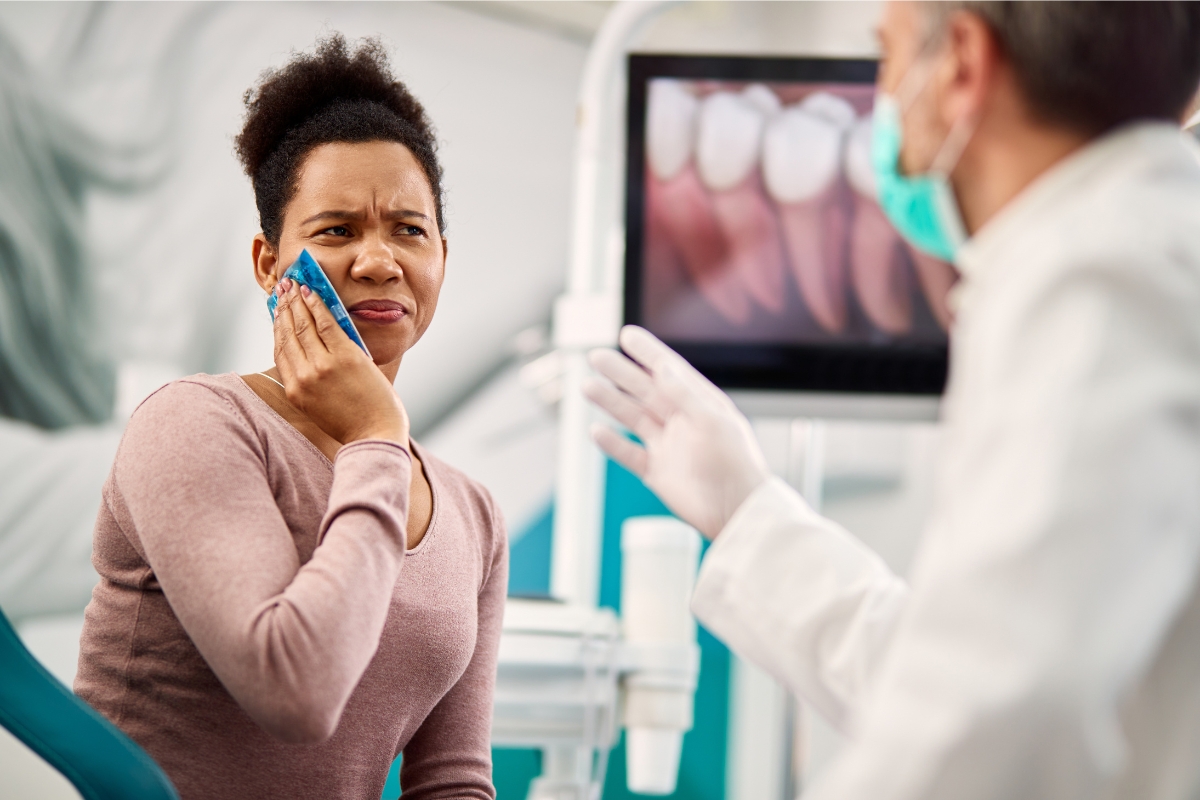
Dental emergencies never seem to happen on calm days. They show up when you’re getting ready for school drop-off, preparing for work, or heading out for a quiet evening. When pain hits fast, or a tooth chips without warning, it can feel unsettling. For many families in Fargo, the first thought is, “Who can help me right now?”
Understanding how emergencies are handled in a dental office can calm a stressful moment. Whether it’s tooth pain that wakes you up at night, a broken tooth during a weekend game, or swelling that seems to worsen by the hour, knowing what to expect helps you take quick, confident action.
What Counts as a Dental Emergency?
Not every tooth issue needs same-day care, but some symptoms shouldn’t wait. Dental offices in Fargo typically classify emergencies based on urgency and the risk of long-term harm.
Common emergency dentistry situations include:
- Severe or sudden tooth pain
- A broken tooth from sports, falls, or biting something hard
- Knocked-out tooth
- Swelling around the gums or jaw
- Dental infections that make it hard to chew or sleep
- Bleeding that doesn’t stop
- Lost fillings or crowns causing sharp discomfort
Data published nationally suggests that more than 2 million dental-related visits occur in emergency rooms every year, even though many of these cases could be handled more effectively in a dental office equipped for urgent care. This highlights how important it is for communities—Fargo included—to have accessible emergency options.
How a Dental Office Responds to Emergencies
Quick phone triage
When you call a dental office with an urgent problem, the team usually starts with a series of fast but essential questions. This helps them understand the severity, decide how quickly you need to be seen, and prepare the treatment room.
You may be asked:
- How long have you been in pain?
- Did the tooth break entirely or partially?
- Are you experiencing swelling?
- Are you able to eat or open your mouth normally?
Most dental offices maintain dedicated time slots each day for emergency dentistry needs. In Fargo, this is especially helpful during winter months when falls on ice lead to a notable uptick in chipped or broken tooth cases.
Same-day appointments when possible
If your condition is urgent, many offices will ask you to come in immediately. During peak seasons—such as high school sports months—some offices adjust their schedules to handle more same-day visits.
This flexibility is one reason people often prefer calling a dental office in Fargo directly, rather than heading to the ER, where dental-specific care isn’t always available.
On-site diagnostic tools
Once you arrive, the team typically moves quickly with:
- Digital X-rays
- Intraoral photos
- Visual examination
These tools help pinpoint the cause of tooth pain, identify fractures, or detect early infection. According to general clinical data, over 85% of dental emergencies can be stabilized or fully resolved the same day with the right equipment.
Immediate pain relief and stabilizing treatment
The first priority is always to relieve pain. Depending on the situation, the dentist may:
- Smooth a cracked edge
- Place a temporary filling
- Drain an infection
- Start root canal therapy
- Reattach a damaged tooth fragment
- Treat gum swelling
If you need specialized follow-up—such as oral surgery—the team will explain your options clearly before proceeding.
How Emergency Visits Help Prevent Bigger Problems
Quick attention isn’t just about comfort. Data from dental associations shows that delayed treatment increases the likelihood of tooth loss, spreading infection, and more complex procedures later on.
For families in Fargo, where winters can make travel difficult, many dental offices emphasize early care to reduce long-term complications. Small cracks from a broken tooth, for example, can worsen quickly with temperature changes or biting pressure.
What to Expect Financially During an Emergency Visit
Most offices provide transparent cost discussions before treatment. Emergency visits may include:
- Exam fee
- X-rays
- Diagnostic tests
- Treatment or temporary care
Many insurance plans cover urgent care, and dental teams can give an estimate so you feel comfortable before moving ahead.
How a Dentist in Fargo Supports Emergency Patients
Local context matters. In Fargo, dental teams often:
- Prepare for seasonal spikes in injuries (sports, icy walkways, winter slips)
- Offer weekend or extended-hour availability
- Coordinate with nearby medical professionals if swelling or infection is severe
- Provide guidance for at-home care if you need help before your appointment
Because dental emergencies can feel overwhelming, having a reliable dentist in Fargo you can call gives reassurance in moments when pain or damage happens unexpectedly.
How to Prepare for a Dental Emergency
You can’t plan for every accident, but having a simple plan makes things easier.
Keep this information handy:
- Your dental office’s phone number
- Insurance details
- Quick notes about your dental history
- A small emergency kit with gauze, dental wax, and pain-relief medication
If a tooth breaks or is knocked out:
- Save the tooth or fragment
- Keep it moist (milk is best)
- Get to a dental office within 30–60 minutes for the best chance of saving it
These steps significantly improve outcomes, especially in cases involving children or athletes.
FAQs
What should I do if I have sudden tooth pain?
Call a dental office right away. Tooth pain often indicates infection, injury, or nerve irritation. Quick care can prevent the issue from worsening.
Can a dental office fix a broken tooth the same day?
Often yes. Depending on the damage, the dentist may repair the tooth, place a temporary restoration, or stabilize it until a final treatment is completed.
Are emergency visits more expensive?
Not always. Many insurance plans cover emergency exams, and most offices explain fees before treatment begins.
Should I go to the ER for dental pain?
ERs can help with pain or infection, but they usually cannot provide dental treatment. A dental office is typically the best place for proper care.
Can children receive emergency dentistry?
Yes. Most offices see children immediately for issues like knocked-out baby teeth, injuries from falls, or sudden pain.
Final Thoughts
Dental emergencies can be stressful, but knowing how they’re handled in a dental office makes the situation much more manageable. Whether it’s tooth pain that appears suddenly or a broken tooth from a winter slip, prompt care prevents bigger issues later. If you ever find yourself needing urgent help, reaching out early can make all the difference.
When you feel ready to take action or need same-day guidance, you can schedule an appointment with a trusted dental team to get the support you need.

