
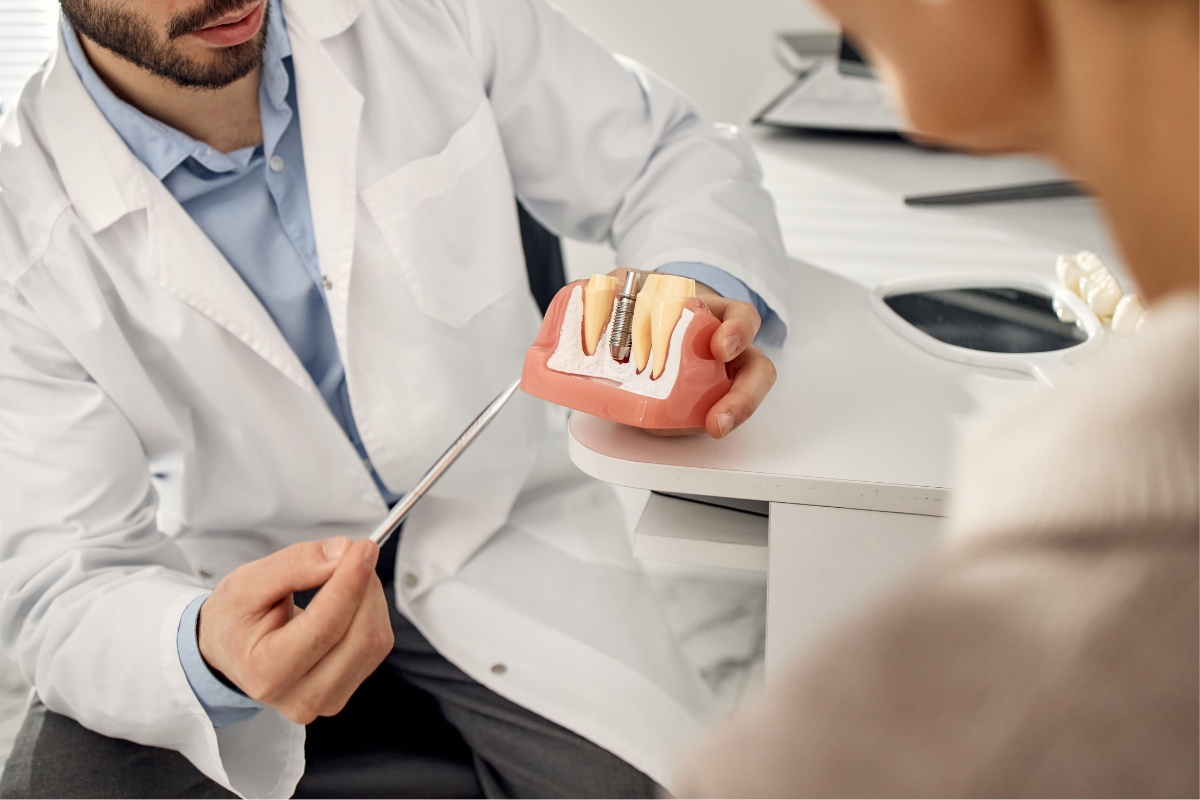
Hearing that you need a dental bone graft can raise a lot of questions—especially about healing time and what the process will feel like. The good news is that this procedure is very common and plays an important role in rebuilding your jaw so you can move forward with treatments like dental implants. Understanding how healing works can help you feel more at ease and prepared for what’s ahead.
What Is a Dental Bone Graft?
A dental bone graft is a procedure used to rebuild areas of the jaw where bone has thinned or disappeared. This can happen after losing a tooth, dealing with gum disease, or experiencing an injury. In some cases, it’s simply the result of natural bone changes over time.
During the procedure, your dentist places a grafting material in the area that needs support. Over the next several months, your body gradually replaces that material with new bone, strengthening the area from within.
Why Bone Grafting Is Often Needed
Dental implants rely on a strong jawbone to stay secure. If the bone isn’t thick or dense enough, placing an implant right away may not be successful.
That’s why many people planning for dental implants in Fargo first go through a bone grafting procedure. It creates a stable base so the implant can properly fuse with the bone, improving both function and long-term results.
Types of Bone Graft Materials
There isn’t just one type of bone graft. Your dentist will choose what works best for your situation:
- Autograft: Uses bone from your own body
- Allograft: Uses processed donor bone
- Xenograft: Uses bone from animal sources, typically cow
Each option is safe and designed to encourage your body to build new, healthy bone.
How Healing Happens Step by Step
Healing after a bone graft is a gradual process. Even if you feel fine early on, your body continues working behind the scenes.
First Few Days
It’s normal to have some swelling, soreness, or mild discomfort. This is your body’s natural response to the procedure and usually improves within a few days.
First Few Weeks
Your body begins building tiny blood vessels around the grafted area. These help deliver nutrients and support the early stages of healing.
Around 3 to 4 Months
New bone starts forming more actively. You may feel completely back to normal, but the bone is still developing strength.
At this stage, your dentist Fargo may check your progress to make sure everything is healing as expected.
6 to 9 Months or More
This is when the graft becomes fully integrated with your natural bone. Once the area is strong enough, your dentist can move forward with placing a dental implant.
What Can Influence Healing?
Everyone heals a little differently, and several factors can affect your timeline:
- The size and complexity of the graft
- Your overall health and age
- Smoking habits
- Nutrition and daily care
- How closely you follow aftercare instructions
Taking care of yourself during recovery can make a noticeable difference.
Tips to Help You Heal Smoothly
A few simple habits can support a better recovery:
- Take any prescribed medication as directed
- Use ice packs to help reduce swelling early on
- Choose soft, easy-to-eat foods for the first several days
- Avoid crunchy, spicy, or very hot foods
- Keep your mouth clean, but be gentle near the treated area
- Get enough rest and avoid heavy activity right after surgery
When Can You Move Forward With Implants?
In most cases, you’ll need to wait until the bone has fully healed before getting an implant. This usually takes several months, but your dentist will guide you based on how your healing is progressing.
While it may feel like a long wait, this step is what helps ensure your implant is stable and long-lasting.
When to Call Your Dentist
Most recoveries are smooth, but it’s important to watch for anything unusual. Reach out to your dentist if you notice:
- Pain that increases instead of improving
- Swelling that doesn’t go down
- Fever or signs of infection
- Ongoing bleeding
- Numbness that lingers
Getting help early can prevent bigger issues.
Final Thoughts
A dental bone graft isn’t something that heals overnight—but it’s a reliable way to rebuild your jaw and prepare for future treatments. With time, patience, and the right care, your bone can become strong enough to support a healthy, functional smile again.
If you’ve been advised to get a bone graft or are exploring your options, schedule an appointment today to take the next step toward restoring your smile.
Frequently Asked Questions
How long does it take for a dental bone graft to heal?
Most bone grafts take about 6 to 9 months to fully integrate, though smaller procedures may heal sooner.
Is the recovery painful?
Discomfort is usually mild to moderate and can be managed with medication and proper care.
Can I eat normally after the procedure?
You’ll need to stick to soft foods at first and slowly return to your regular diet as healing improves.
Do I always need a bone graft before getting implants?
No, only patients with insufficient bone require grafting before implant placement.
What should I avoid after a bone graft?
Avoid smoking, hard foods, and strenuous activity during the early healing phase.
Is dental bone grafting safe?
Yes, it’s a well-established and commonly performed procedure with a high success rate.

