
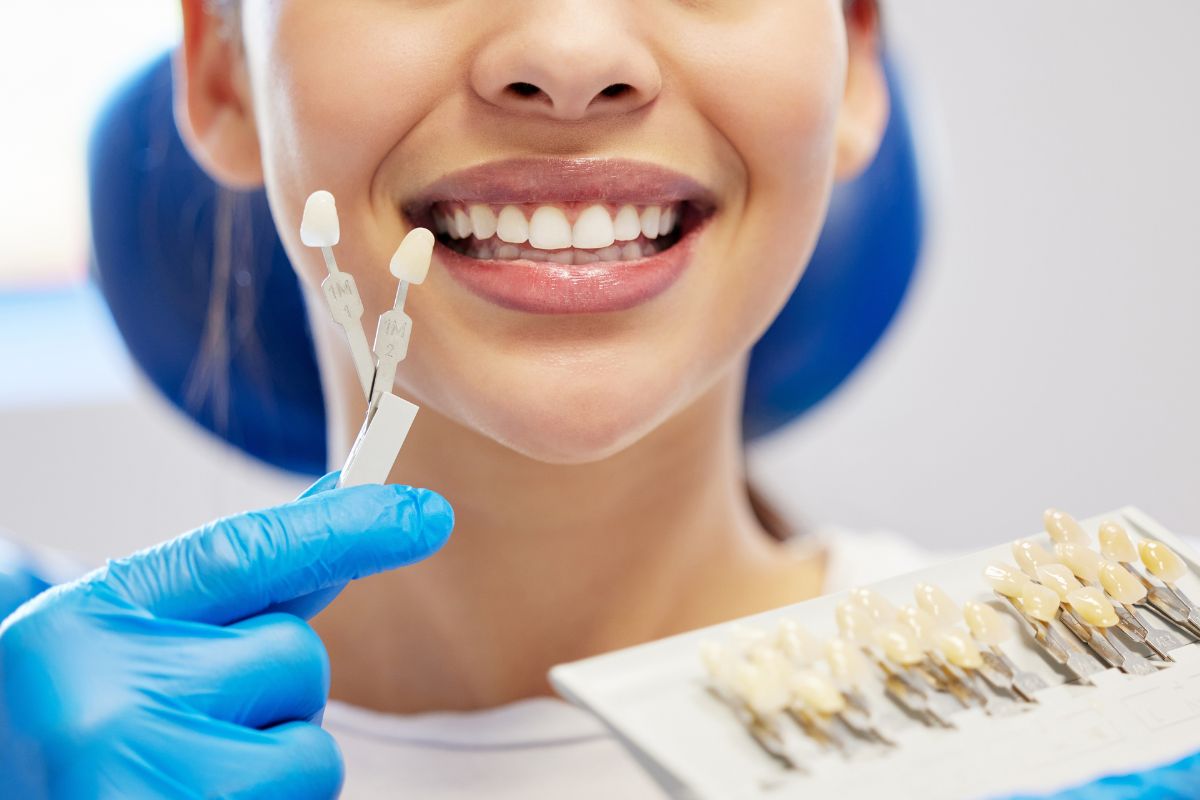
When it comes to enhancing your smile, two popular options are cosmetic bonding and veneers. Both procedures can fix a wide range of aesthetic dental issues, such as chips, cracks, discoloration, and gaps. However, each option has its own set of advantages, disadvantages, and ideal use cases. Understanding the differences between cosmetic bonding and veneers can help you choose the best treatment for your smile makeover.
What is Cosmetic Bonding?
Cosmetic bonding is a procedure where a tooth-colored resin material is applied to your teeth and then hardened with a special light. This resin bonds to your teeth, allowing the dentist to shape, sculpt, and polish it to blend seamlessly with your natural teeth. Cosmetic bonding is often used to repair minor flaws, such as chips, cracks, or discoloration.
Advantages of Cosmetic Bonding:
- Affordability: Cosmetic bonding is usually less expensive than veneers. If you’re looking for a budget-friendly option to improve your smile, bonding may be the right choice.
- Quick Procedure: Bonding can often be done in a single visit to the dentist, making it a fast solution for minor cosmetic issues.
- Non-Invasive: Bonding requires little to no removal of your tooth’s natural structure. The resin is simply applied to your existing teeth, making it a less invasive procedure than veneers.
- Reversible: Because the procedure doesn’t require permanent alterations to your teeth, it’s generally considered reversible. You can opt for veneers or other treatments in the future if needed.
Disadvantages of Cosmetic Bonding:
- Durability: While bonding is effective for minor repairs, it is not as durable as veneers. The resin material can chip, crack, or stain over time, meaning you may need touch-ups or replacements more frequently.
- Less Natural Appearance: Although bonding can blend well with natural teeth, it may not match the translucency and shine of porcelain veneers, especially over time.
- Limited Longevity: Bonding typically lasts 5 to 10 years with proper care, which is shorter than veneers.
What are Veneers?
Veneers are thin shells made of porcelain that are custom-made to fit over the front surface of your teeth. Veneers are an excellent solution for patients who want a more dramatic transformation, as they can change the size, shape, color, and alignment of your teeth.
Advantages of Veneers:
- Durability: Veneers, especially porcelain ones, are incredibly strong and resistant to staining. They can last 10 to 20 years with proper care, making them a long-term investment in your smile.
- Natural Look: Porcelain veneers are known for their ability to mimic the light-reflecting properties of natural teeth, making them one of the most aesthetically pleasing options for a smile makeover.
- Customizable: Veneers are custom-made to fit your teeth perfectly, allowing you to choose the exact shape, size, and shade you desire. This makes veneers ideal for patients looking for a significant change in their smile.
- Comprehensive Solution: Veneers can address a wide range of cosmetic concerns, including severe discoloration, misshapen teeth, and gaps. They provide a complete smile transformation.
Disadvantages of Veneers:
- Cost: Veneers are more expensive than bonding. Because they are custom-made and require multiple appointments, veneers can be a significant investment.
- Permanent: The procedure for veneers involves removing a thin layer of enamel from your teeth to create space for the veneers. This means that the process is irreversible, and you will need to maintain veneers or other dental restorations for life.
- Multiple Visits: Getting veneers usually requires at least two visits to the dentist. During the first visit, your dentist will prepare your teeth and take impressions. During the second visit, the veneers are applied.
Which is Right for You?
When deciding between cosmetic bonding and veneers, it’s important to consider the following factors:
- Budget: If cost is a primary concern, cosmetic bonding is typically more affordable than veneers. However, veneers offer a longer-lasting solution, which may justify the higher initial investment.
- Extent of Dental Issues: If you have minor flaws like chips or gaps, cosmetic bonding may be sufficient to give you the results you want. For more extensive issues, such as severe discoloration, misshapen teeth, or alignment concerns, veneers may provide a more comprehensive solution.
- Desired Longevity: If you’re looking for a long-term solution, veneers are the better option due to their durability. While bonding may need to be replaced more frequently, veneers can last decades with proper care.
- Aesthetic Preferences: If you want the most natural-looking and durable option, veneers, particularly porcelain ones, are the best choice. Bonding can provide a good aesthetic result, but it may not match the longevity or natural appearance of veneers.
Cosmetic bonding and veneers are both effective options for improving your smile, but they serve different purposes. Bonding is a quick, affordable solution for minor imperfections, while veneers offer a more comprehensive, long-lasting transformation. The right choice for you depends on your individual needs, goals, and budget. Consult with your dentist to determine which option is best suited to help you achieve the smile you’ve always wanted.

