
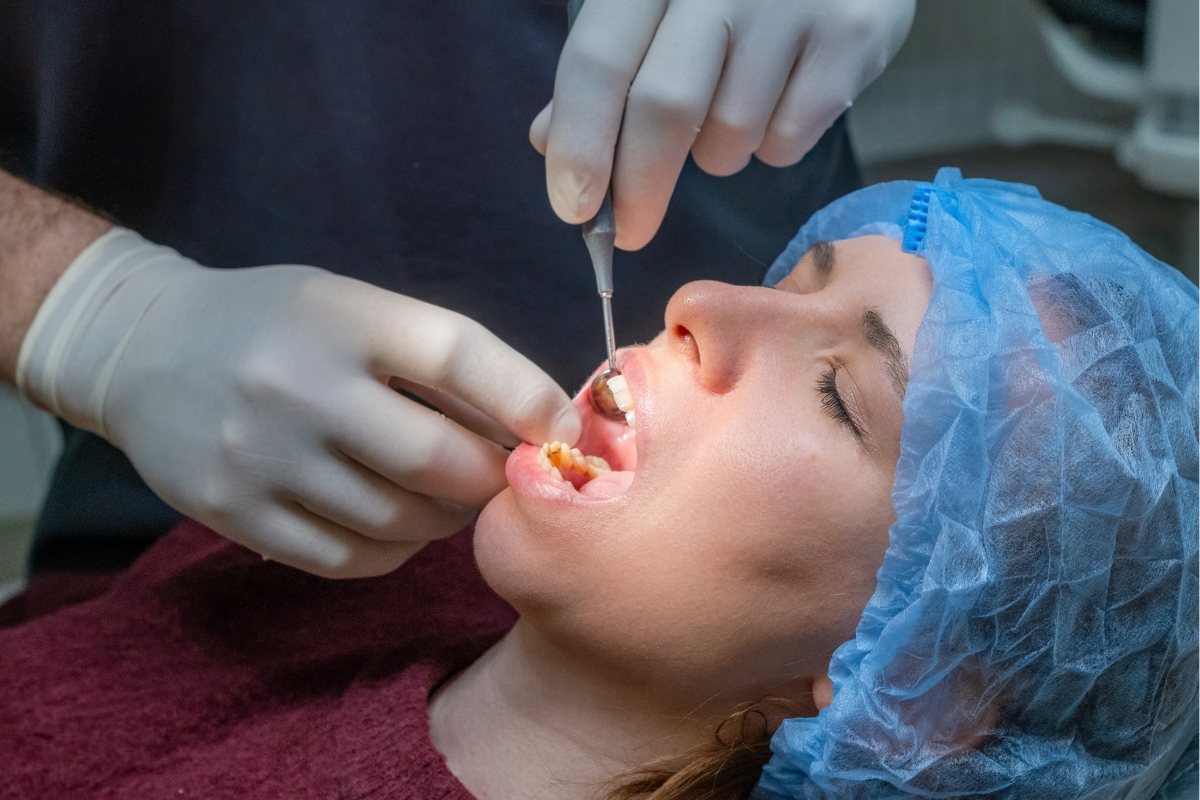
Cracking or breaking a tooth can catch you off guard. One moment everything feels normal, and the next you’re dealing with discomfort, sensitivity, or even pain while eating. It can also make you feel self-conscious about your smile. The reassuring part is that most half-broken teeth can be repaired with the right dental care.
Teeth don’t just break without a reason. It could be from biting into something hard, an accidental fall, or even gradual weakening caused by decay. No matter how it happens, getting it checked sooner rather than later can make a big difference in how easily it can be fixed.
If you’re unsure about the damage, seeing an emergency dentist in Fargo early can help you avoid bigger problems. A quick evaluation allows the dentist to determine how serious the break is and what treatment will work best for you.
How Do You Know If Your Tooth Is Broken?
Not all tooth damage looks dramatic. Sometimes the signs are easy to miss, especially if the crack is small. Here are a few things that might indicate something isn’t right:
You Notice a Change in Shape
Your tooth may look chipped, uneven, or slightly shorter than before.
Sensitivity Feels Stronger Than Usual
Hot coffee or cold drinks suddenly causing discomfort could point to exposed layers inside the tooth.
Pain When You Bite Down
If chewing feels uncomfortable or sharp in one area, it could be due to a fracture.
Your Tongue Finds a Rough Spot
Even a small chip can feel sharp or jagged when you run your tongue over it.
Gums Feel Sore Around One Tooth
Irritation or swelling in a specific spot can sometimes be linked to a damaged tooth.
Color Looks Different
A darker shade might suggest that the inner part of the tooth has been affected.
Not All Breaks Are the Same
Every broken tooth is different, which is why treatment isn’t one-size-fits-all. Dentists usually look at:
- Where the tooth is located
- How deep or wide the break is
- Whether the nerve is involved
- If you’re feeling pain or sensitivity
These details help decide the most effective way to restore your tooth.
What Happens If You Leave It Untreated?
It might be tempting to ignore a broken tooth if the pain isn’t constant, but that can lead to more trouble over time. When the protective outer layer is damaged, the softer inner part becomes exposed. This can cause sensitivity and allow bacteria to enter.
As time passes, that exposure can turn into decay or even infection. You may also find it harder to chew properly, which puts extra pressure on nearby teeth. Small issues can slowly become bigger ones if they’re left untreated.
Ways to Fix a Half-Broken Tooth
The treatment your dentist suggests will depend on how much of the tooth is affected. Visiting a trusted dental office Fargo will help you understand which option fits your situation best.
Bonding for Minor Damage
If the break is small, a tooth-colored material can be used to rebuild the missing part. It’s shaped to match your natural tooth and usually completed in one visit.
Crowns for Larger Breaks
When a significant portion is lost, a crown may be placed over the tooth. This acts like a cover, restoring both strength and appearance.
Root Canal for Deeper Issues
If the inside of the tooth is damaged or infected, a root canal can clean the area and protect the remaining structure.
Removal in Severe Cases
If the tooth cannot be saved, it may need to be removed. Your dentist will only consider this when other treatments are not possible.
Why Acting Early Matters
Delaying treatment can make a manageable issue more complicated. What could have been a simple fix might turn into a more involved procedure if infection or further damage occurs. Taking action early often means less discomfort and better outcomes.
Tips to Protect Your Teeth
While not every accident can be prevented, a few habits can lower your chances of breaking a tooth:
- Use a mouthguard during sports
- Avoid chewing on hard objects like ice
- Keep up with brushing and flossing
- Don’t skip regular dental visits
Final Thoughts
A half-broken tooth might feel alarming at first, but it’s usually something that can be repaired. The key is not to ignore it. Getting it checked early gives you more treatment options and helps prevent further complications.
If something doesn’t feel right with your tooth, it’s always better to be safe than sorry—schedule an appointment today and take care of your smile before the issue gets worse.
Frequently Asked Questions
Can a broken tooth get worse over time?
Yes, without treatment, the damage can spread and lead to infection or further breakage.
Is it always painful to have a broken tooth?
Not always. Some cracks may not hurt right away but can still cause problems later.
What’s the quickest way to fix a chipped tooth?
For small chips, bonding is often the fastest and simplest solution.
Can I eat normally with a broken tooth?
It’s best to avoid chewing on that side until it’s treated to prevent more damage.
How long does it take to fix a broken tooth?
It depends on the treatment, but some procedures can be completed in a single visit.

