
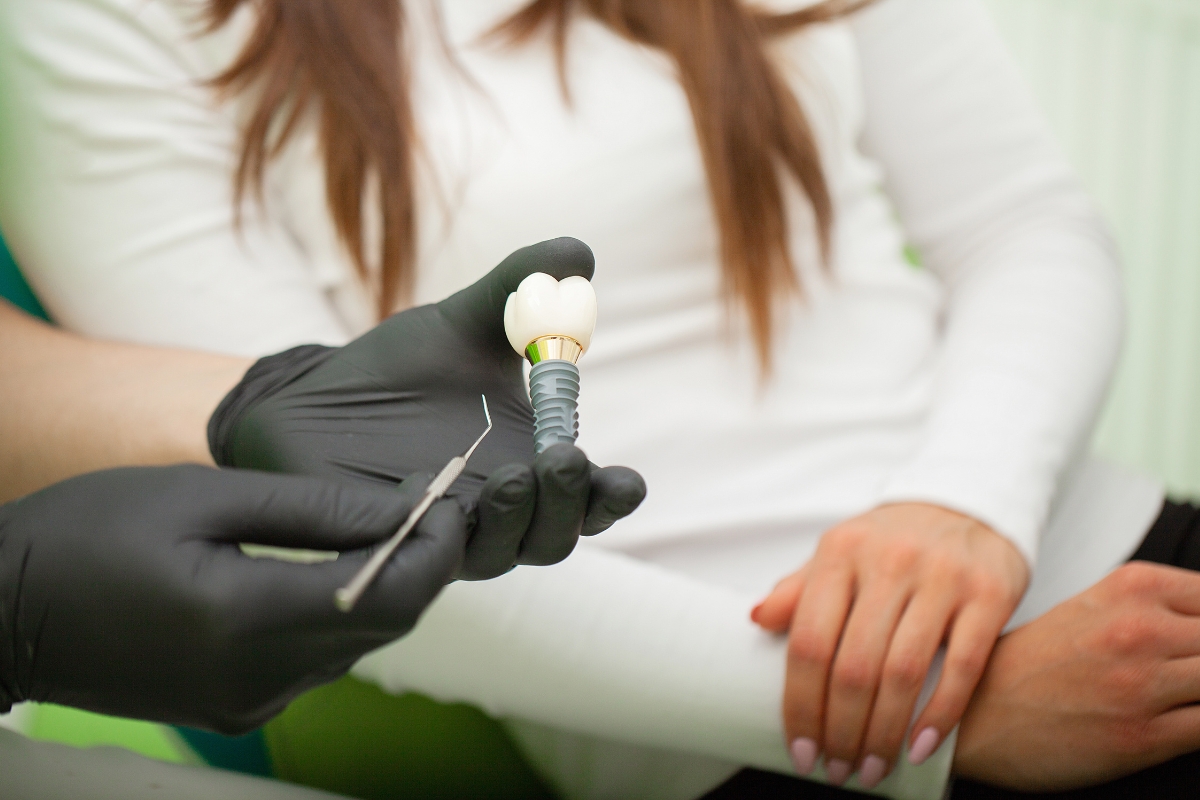
Dental implants have become a trusted solution for replacing missing teeth. They are designed to look natural, feel comfortable, and restore the ability to chew and speak without difficulty. Because implants fuse with the jawbone, they offer stability that many other tooth replacement options cannot provide. With proper care, they can last for many years and often even decades.
Even though implants are built to be durable, they still need the same attention as natural teeth. Good oral hygiene and regular dental visits are essential for keeping the surrounding gums and bone healthy. Without proper care, bacteria can accumulate around the implant and cause irritation or infection over time.
Patients considering dental implant Fargo treatment often ask whether implants can develop infections long after they have healed. While this situation is not common, it can happen. The good news is that most infections are preventable when patients maintain consistent oral care and attend routine dental checkups.
Knowing how infections develop and recognizing the warning signs early can help protect your implant and keep your smile healthy for the long term.
Why Can Dental Implants Become Infected?
Although the implant itself is made from materials that do not decay, the surrounding gum and bone tissue are still vulnerable to bacteria. When plaque builds up near the gumline, it can irritate the tissue around the implant.
If plaque and bacteria remain for a long period of time, inflammation may develop around the implant area. Over time, this inflammation can affect the bone that supports the implant. If the bone becomes weakened, the implant may lose stability.
Certain factors may increase the likelihood of infection, including:
- Poor brushing or flossing habits
- Smoking or tobacco use
- Uncontrolled diabetes
- A weakened immune system
- Missing routine dental cleanings
Regular visits to a Fargo dentist are important for preventing these issues. Dentists can remove plaque buildup that may not be visible or easy to clean at home, helping protect both implants and natural teeth.
Warning Signs of an Implant Infection
Implant infections usually do not appear suddenly. In many cases, they develop slowly and may begin with mild symptoms. Paying attention to small changes in your mouth can help you address problems early.
Some common warning signs include:
- Red or swollen gums around the implant
- Bleeding when brushing near the implant
- Persistent bad breath
- Discomfort while chewing
- Gum recession around the implant
- Fluid or discharge near the implant site
- A feeling that the implant is slightly loose
If you notice any of these symptoms, it is important to contact your dentist. Early treatment can often stop the problem before it affects the implant itself.
Can Implant Infections Happen Years Later?
Most implant-related complications occur within the first few months after surgery, while the implant is still healing and bonding with the bone. However, infections can sometimes develop much later.
Late implant infections are often linked to long-term plaque buildup or inconsistent oral hygiene habits. Even though implants are artificial, the tissues around them still need regular care to remain healthy.
Dental research has shown that implants have a high success rate when patients follow recommended care routines. Maintaining daily brushing and flossing, along with regular dental visits, greatly reduces the chances of long-term complications.
How Dentists Treat Implant Infections
When an infection is detected early, dentists can often treat it successfully. The type of treatment will depend on how advanced the infection is.
Some common treatment approaches include:
Professional cleaning
Dentists use specialized tools to remove plaque and bacteria from around the implant.
Antibacterial treatment
Medications or antimicrobial solutions may be used to control bacterial growth.
Laser therapy
In some dental practices, laser technology is used to disinfect the infected area.
Additional restorative care
If the infection has affected surrounding bone, certain dental procedures may help strengthen the support around the implant.
The earlier treatment begins, the better the chances of preserving the implant.
Tips to Help Keep Dental Implants Healthy
Taking care of dental implants does not require complicated routines. Simple daily habits can make a big difference in protecting them.
Brush and Floss Every Day
Use a soft-bristled toothbrush and floss or interdental brushes to clean around the implant and gumline.
Visit Your Dentist Regularly
Professional cleanings help remove plaque buildup and allow your dentist to monitor the health of your implants.
Avoid Tobacco Products
Smoking can slow healing and increase the risk of oral infections.
Maintain Good Overall Health
Managing health conditions such as diabetes can help protect gum and bone health.
Follow Your Dentist’s Instructions
Your dentist may recommend specific cleaning tools designed to reach areas around implants more effectively.
What Research Says About Dental Implant Success
Dental implants are widely considered one of the most successful treatments in modern dentistry. According to information referenced by the American Dental Association, implants have a high long-term success rate, especially when patients maintain good oral hygiene and visit their dentist regularly.
This highlights an important point: the procedure itself is only part of the process. Long-term success depends heavily on ongoing care and maintenance.
Protecting Your Smile for the Future
Dental implants are designed to provide long-lasting tooth replacement, but their health depends on proper care. Maintaining good oral hygiene, staying aware of early symptoms, and visiting your dentist regularly can help prevent infections and keep your implants functioning well for years.
If you ever notice swelling, bleeding, or discomfort around an implant, it’s best to have it evaluated as soon as possible. Early care can make a significant difference in protecting your implant and your overall oral health.
If you have questions about implant care or treatment options, schedule an appointment with a dentist in Fargo, ND to keep your smile healthy and strong.
Frequently Asked Questions
Can an implant infection spread to other teeth?
Yes. If bacteria around an implant are not treated, they may spread to nearby gums or teeth and affect overall oral health.
Are implant infections always painful?
Not necessarily. Some infections cause only mild swelling or bleeding, which is why regular dental exams are important.
Can an infected dental implant be saved?
In many cases, yes. If the infection is detected early, dentists can often treat it and protect the implant.
How often should dental implants be checked?
Most dentists recommend checkups every six months, although some patients may need more frequent visits depending on their oral health.
Do implants require special cleaning tools?
Some patients benefit from using tools like interdental brushes or water flossers to clean around implants more effectively.

