
Advantages And Disadvantages Of Dental Implants
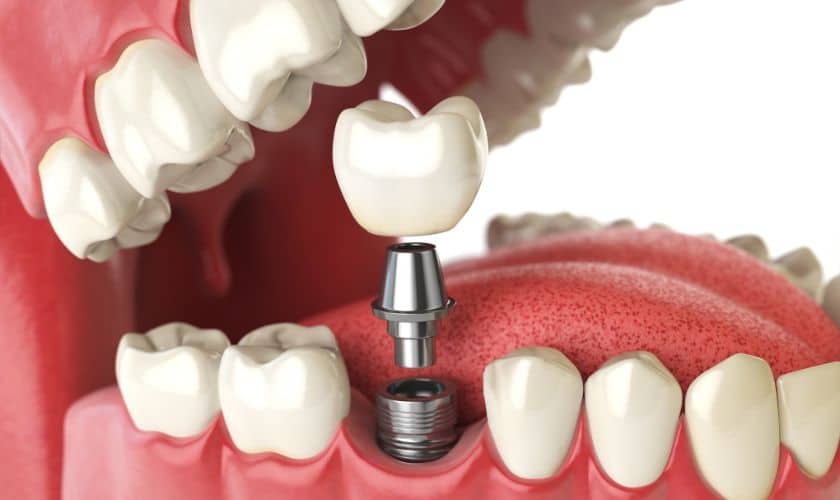
Dental implants have revolutionized the field of dentistry, offering a permanent solution for missing teeth that closely resemble natural teeth. However, like any dental procedure, they come with both advantages and disadvantages. Understanding these pros and cons can help individuals make informed decisions about their oral health. In this article, we’ll explore the advantages and disadvantages of dental implants, with a focus on their impact on oral health, aesthetics, and overall well-being.
Advantages of Dental Implants
Dental implants offer numerous benefits, making them a popular choice for individuals seeking to replace missing teeth. Here are some of the key advantages:
1. Improved Aesthetics:
One of the most significant advantages of dental implants is their ability to mimic the appearance of natural teeth closely. Unlike other tooth replacement options, such as dentures or bridges, implants are designed to blend seamlessly with the rest of the teeth, providing a natural-looking smile. For individuals in Fargo seeking to restore their smile’s aesthetics, dental implants can be an excellent option.
2. Enhanced Durability and Longevity:
Dental implants are known for their durability and longevity. Made from high-quality materials such as titanium, implants are designed to withstand the forces of chewing and biting, making them a long-term solution for missing teeth. With proper care and maintenance, dental implants in Fargo can last for many years, providing patients with a reliable and stable tooth replacement option.
3. Preservation of Jawbone Health:
Unlike other tooth replacement options, dental implants help preserve jawbone health. When a tooth is lost, the underlying jawbone can begin to deteriorate over time due to lack of stimulation. Dental implants act as artificial tooth roots, stimulating the jawbone and preventing bone loss. This helps maintain the overall structure and integrity of the jawbone, reducing the risk of additional tooth loss and facial collapse.
4. Improved Speech and Comfort:
Dental implants are fixed securely in the jawbone, eliminating the discomfort and inconvenience associated with removable dentures. With implants, patients can speak, eat, and smile confidently without worrying about their replacement teeth shifting or slipping out of place. This improved stability and comfort can significantly enhance a patient’s quality of life, allowing them to enjoy their favorite foods and activities without limitations.
Disadvantages of Dental Implants
While dental implants offer numerous benefits, they may only be suitable for some. It’s essential to consider the potential drawbacks before undergoing treatment. Here are some of the disadvantages of dental implants:
1. Cost Considerations:
One of the primary disadvantages of dental implants is their cost. Dental implant treatment can be more expensive than other tooth replacement options, such as dentures or bridges. The cost of implants in Fargo may include surgical fees, implant placement, restoration, and follow-up care, making them a significant investment for some patients. However, many individuals find that the long-term benefits of dental implants outweigh the initial cost.
2. Surgical Procedure:
The placement of dental implants requires a surgical procedure, which may not be suitable for everyone. While advancements in dental technology have made implant surgery safer and more comfortable, some patients may still experience anxiety or apprehension about undergoing surgery. Additionally, certain medical conditions or oral health issues may increase the risk of complications during implant placement.
3. Time Commitment:
Dental implant treatment typically requires multiple appointments and several months to complete. After the initial implant placement surgery, patients must wait for the implants to integrate with the jawbone before the final restoration can be attached. This process, known as osseointegration, can take several months, during which patients may need to wear temporary restorations. While the results of dental implant treatment are long-lasting, the time commitment involved may not be suitable for individuals seeking a quick fix for missing teeth.
4. Potential for Complications:
While dental implants have a high success rate, there is still a risk of complications associated with the procedure. These may include infection, implant failure, nerve damage, or damage to surrounding teeth or structures. Additionally, some patients may experience discomfort or pain during the healing process. It’s essential for patients considering dental implants to discuss potential risks and complications with their dentist or oral surgeon before undergoing treatment.
Dental implants Fargo offer numerous advantages for individuals seeking a permanent solution for missing teeth. They provide improved aesthetics, durability, and functionality compared to other tooth replacement options. Additionally, implants help preserve jawbone health and enhance overall oral health and well-being. However, it’s essential to consider the potential disadvantages, such as cost, surgical procedure, time commitment, and the risk of complications. By weighing the pros and cons carefully and consulting with a qualified dental professional, patients can make informed decisions about whether dental implants are the right choice for their oral health needs.

