
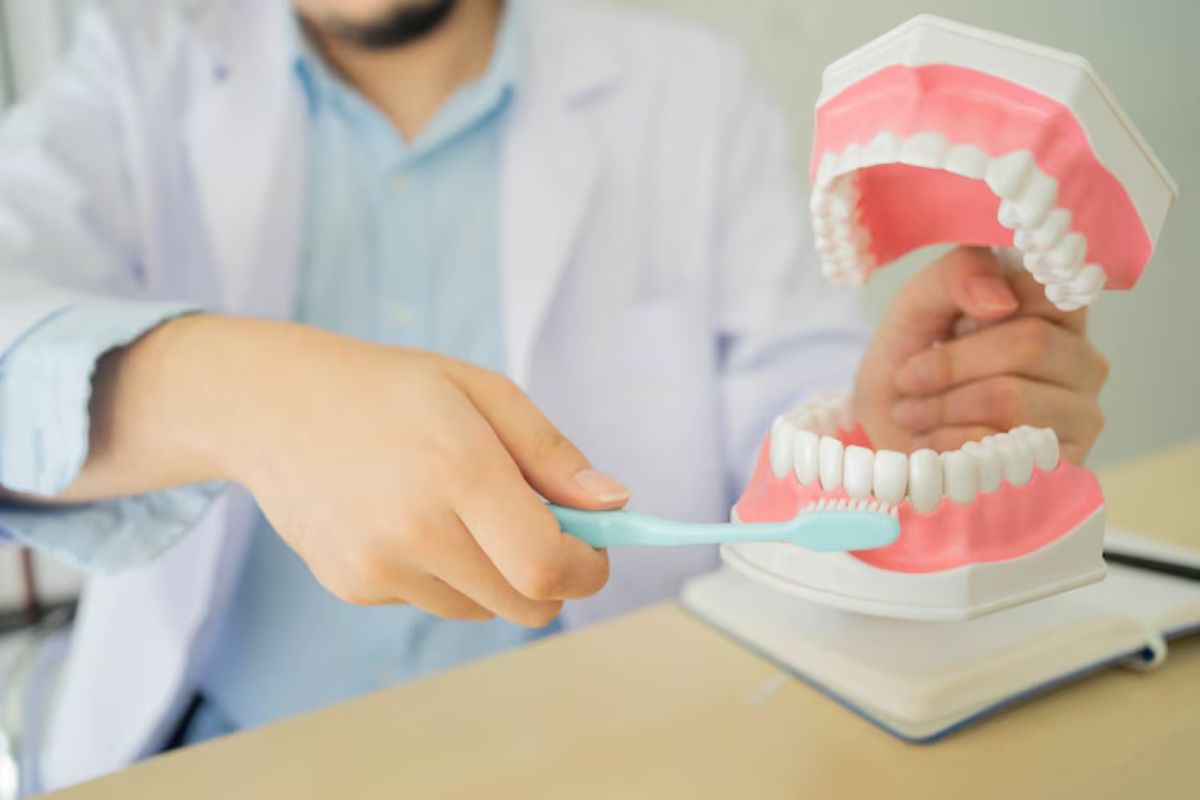
Gum or periodontal disease is a common oral health problem ranging from mild gingivitis to more severe periodontitis. It is primarily caused by the buildup of plaque—a sticky film of bacteria—around the teeth and gums. While advanced gum disease may require surgery, in many cases, it can be reversed or significantly improved without surgical intervention. This article explores how to reverse gum disease without surgery, the non-invasive treatment options available, and how to maintain optimal oral health.
Signs and Symptoms of Gum Disease
It is important to recognize the signs of gum disease early to prevent it from progressing. Common symptoms include:
- Red, swollen, or tender gums
- Bleeding during brushing or flossing
- Persistent bad breath (halitosis)
- Gums that recede or pull away from the teeth
- Loose teeth or changes in the way your teeth fit together when you bite
If you experience any of these symptoms, seeking gum disease treatment from your dentist is essential.
How to Reverse Gum Disease Without Surgery
When detected early, gum disease can be reversed without surgery. The following non-invasive treatments can help halt the progression of the disease and promote healthy gums.
1. Improve Oral Hygiene Habits
One of the most effective ways to reverse early gum disease is by improving your oral hygiene routine. Consistent and proper oral care at home can remove plaque before it hardens into tartar, preventing further damage to your gums.
- Brush twice a day: Use a soft-bristled toothbrush and fluoride toothpaste. Brush for at least two minutes, making sure to clean all surfaces of your teeth and along the gumline.
- Floss daily: Flossing helps remove food particles and plaque between the teeth, areas that a toothbrush can’t reach. Proper flossing is crucial for preventing the buildup of bacteria that lead to gum disease.
- Use an antiseptic mouthwash: Mouthwash with antibacterial properties can help reduce plaque and inflammation. Rinsing with mouthwash after brushing and flossing can aid in gum disease treatment by killing harmful bacteria and reducing bad breath.
2. Professional Dental Cleanings
Even with excellent oral hygiene, some plaque will inevitably remain on your teeth and harden into tartar. Tartar can only be removed by a dental professional, which is why regular dental cleanings are an important part of reversing gum disease.
During a professional cleaning, your dentist or hygienist will:
- Scale and polish your teeth: Scaling involves the removal of tartar from above and below the gumline, while polishing helps to smooth the tooth surfaces, making it more difficult for plaque to stick to the teeth.
- Inspect for gum disease: Your dentist will also assess your gums for signs of disease, measuring pocket depth and checking for inflammation. Catching gum disease early allows for more effective treatment without surgery.
3. Scaling and Root Planing (Deep Cleaning)
If gum disease has progressed beyond the early stage, your dentist may recommend scaling and root planing, a more intensive non-surgical gum disease treatment. This deep cleaning process removes plaque and tartar from below the gumline and smooths the root surfaces of your teeth, making it harder for bacteria to attach and form plaque.
- Scaling: Scaling involves removing all hardened tartar (calculus) from above and below the gumline.
- Root Planing: This procedure smooths the tooth roots, promoting gum reattachment and reducing the depth of the gum pockets, which helps prevent further buildup of plaque and bacteria.
Scaling and root planing are effective ways to reverse moderate gum disease and avoid the need for surgical interventions.
4. Antibiotic Therapy
In cases where bacteria have deeply infected the gum tissues, antibiotics may be prescribed as part of your gum disease treatment. Antibiotics can be applied directly to the gums in the form of gels or microspheres, or they can be taken orally to help reduce bacterial infection and inflammation.
- Topical antibiotics: Applied to the gums in pockets created by periodontitis, these antibiotics help to reduce the bacterial load and inflammation.
- Oral antibiotics: If the infection is more widespread, oral antibiotics may be prescribed to help control bacterial growth.
While antibiotics alone won’t reverse gum disease, they can be a useful adjunct to other treatments like scaling and root planing.
5. Lifestyle Changes
Lifestyle factors, such as smoking and diet, can have a significant impact on gum health. Making positive changes can greatly support your efforts to reverse gum disease.
- Quit smoking: Smoking is one of the leading risk factors for gum disease. It reduces blood flow to the gums and weakens the immune response, making it harder for your body to fight infection. Quitting smoking can improve gum health and reduce the severity of gum disease.
- Eat a balanced diet: A diet rich in vitamins and minerals—particularly vitamin C, calcium, and omega-3 fatty acids—can strengthen your gums and immune system. Foods like leafy greens, fish, nuts, and dairy products support overall oral health and can help reverse gum disease.
- Reduce stress: Chronic stress can weaken your immune system and increase your susceptibility to infections, including gum disease. Managing stress through relaxation techniques or exercise may enhance your body’s ability to heal.
Can Advanced Gum Disease Be Reversed Without Surgery?
While early-stage gum disease like gingivitis can often be reversed with improved oral hygiene and non-invasive treatments, advanced gum disease, such as periodontitis, may require more aggressive treatments. For moderate cases, non-surgical treatments like scaling and root planing combined with antibiotics may suffice, but if the disease has progressed significantly, surgery may be necessary.
Surgical Options for Severe Gum Disease
If non-surgical treatments aren’t enough, your dentist or periodontist may recommend surgical interventions such as:
- Flap surgery: A procedure where the gums are lifted back to remove tartar and then stitched back into place.
- Bone and tissue grafts: These surgeries aim to regenerate lost bone and tissue due to periodontitis.
Fortunately, most cases of gum disease do not require surgery if caught early enough and treated properly.
How to Prevent Gum Disease from Returning
Once you’ve successfully reversed gum disease, maintaining your oral health is key to preventing it from returning. Here are some tips:
- Stick to your oral hygiene routine—brush and floss daily.
- Visit your dentist regularly for cleanings and checkups.
- Avoid smoking and manage stress.
- Eat a nutritious, balanced diet to support your immune system.
By taking these steps, you can keep your gums healthy and reduce the risk of gum disease returning.
Conclusion
Yes, you can reverse gum disease without surgery if it’s detected early. By improving your oral hygiene, getting professional cleanings, and considering non-invasive treatments like scaling and root planing, you can effectively reverse the damage caused by gum disease. Regular dental visits, a healthy lifestyle, and proactive care are crucial to keeping your gums healthy and avoiding the need for surgical intervention.
If you’re experiencing any signs of gum disease, don’t wait to seek gum disease treatment from your dentist. Early detection and treatment can save your gums—and your smile.

