
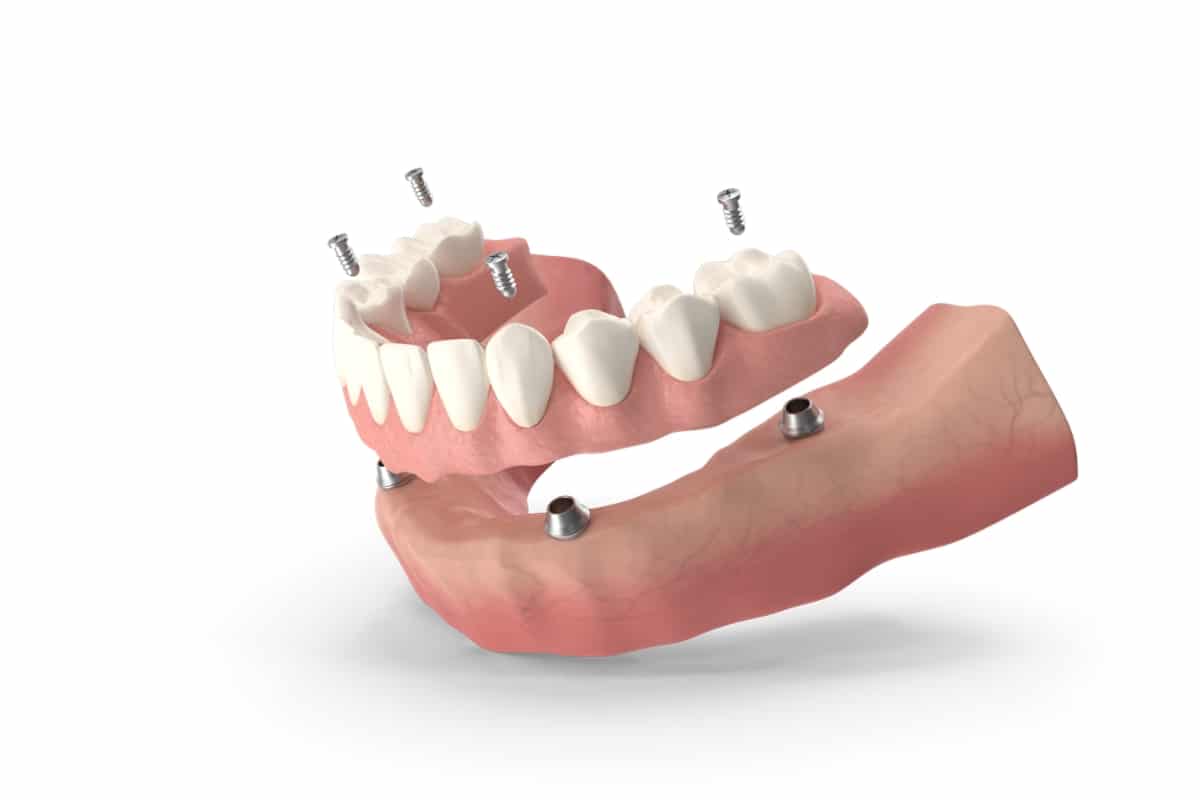
Choosing to replace missing or severely damaged teeth is a major decision. You may be looking for a solution that helps you eat comfortably, speak clearly, and feel more confident about your smile. All-on-4® dental restoration is one option that can replace an entire arch of teeth using four strategically placed dental implants.
Although this treatment can offer excellent stability and a natural-looking appearance, it is important to understand what living with your new restoration may be like. Knowing what to expect can make the process less stressful and help you decide whether this treatment matches your needs.
Before moving forward, schedule a consultation with a dental professional who can evaluate your oral health, discuss your goals, and explain your treatment options.
What Is All-on-4® Dental Restoration?
All-on-4® dental restoration is a full-arch tooth replacement option that uses four dental implants to support a fixed set of replacement teeth. Rather than placing an implant for every missing tooth, the implants are positioned strategically to provide support for an entire arch.
Because the replacement teeth are secured to implants, they do not move around like conventional removable dentures. This can make everyday activities such as eating and speaking more comfortable. For patients researching all-on-four in Fargo, understanding both the advantages and the adjustment period is an important part of making an informed decision.
However, every patient is different. Your dental health, jawbone condition, bite, and daily habits can all influence whether All-on-4® is appropriate for you.
Your Speech May Feel Different at First
Your tongue and other oral tissues are accustomed to the shape of your natural teeth. A new full-arch restoration changes the space inside your mouth, so it is normal for speech to feel slightly different at first.
You may notice difficulty pronouncing certain sounds or feel as though your tongue needs to find a new position. This is generally an adjustment rather than a permanent problem. Speaking regularly and reading aloud can help you become familiar with the restoration.
If speech changes continue or the prosthesis feels uncomfortable, tell your dental provider. They can check the fit and determine whether an adjustment is needed.
Give Yourself Time to Get Used to the Prosthesis
A new restoration will not necessarily feel exactly like your natural teeth. At first, it may seem fuller or more noticeable in your mouth. You may also need time to become comfortable chewing with it.
Starting with softer foods and gradually introducing firmer foods can make the transition easier. Avoid rushing the process, particularly while your mouth is healing.
If you are searching for a dentist in Fargo to discuss full-arch implant treatment, ask about the expected adjustment period during your consultation. Knowing what is normal can help you feel more prepared after treatment.
Your Chewing Sensation May Change
Natural teeth have structures around their roots that provide feedback about pressure when you bite and chew. Dental implants do not have the same sensory connection. Because of this, food may feel different when you chew with an implant-supported restoration.
At first, you may need to pay more attention to how much pressure you use. Over time, your brain and jaw can adapt to the new sensation, making chewing feel more natural.
Your bite should also be evaluated during follow-up visits. If your restoration feels uneven or uncomfortable, your dentist can determine whether an adjustment is necessary.
Address Grinding and Clenching
Do you grind your teeth at night or frequently clench your jaw? If so, this is something your dental provider should know before you receive an implant-supported restoration.
Bruxism can create significant forces on dental implants and prosthetic teeth. Over time, excessive pressure may contribute to wear, fractures, or other complications.
Your dentist may recommend a custom nightguard or other protective approach based on your individual needs. Addressing grinding and clenching early can help protect your restoration and support its long-term function.
Long-Term Maintenance Still Matters
Getting an implant-supported restoration does not mean you can stop caring for your gums. Although prosthetic teeth cannot develop cavities, the tissues surrounding your implants can still be affected by plaque and bacteria.
Good daily hygiene is essential. Your dental team may recommend brushing, specialized flossing tools, a water flosser, or other cleaning methods depending on your restoration.
Regular dental appointments are equally important. During these visits, your provider can monitor the implants, gums, bite, and condition of the prosthesis. Professional maintenance can also help identify potential problems before they become more serious.
Is All-on-4® Right for You?
All-on-4® can be a valuable option for people who need to replace an entire arch of teeth. However, choosing this treatment requires more than considering how the final smile will look.
You should be comfortable with the adjustment period, understand how the restoration may change chewing sensations, address habits such as grinding, and be prepared to maintain excellent oral hygiene.
A personalized examination is the best way to determine whether All-on-4® fits your needs. Your dentist can assess your gums, jawbone, remaining teeth, bite, and overall oral health before recommending a treatment plan.
At Dakota Smiles, you can discuss your concerns and learn more about the options available for restoring your smile. The goal is to help you understand the process so you can make a decision that feels right for you.
Take the Next Step Toward a Restored Smile
All-on-4® dental restoration can offer a secure approach to replacing an entire arch of missing teeth, but understanding the commitment involved is just as important as understanding the benefits. Preparing for speech changes, adapting to your new prosthesis, recognizing changes in chewing sensation, managing grinding, and maintaining your oral health can help you get the most from your restoration.
If you are considering All-on-4® treatment, Dakota Smiles can help you explore your options and determine whether this approach suits your smile and oral health needs. Schedule an appointment today to discuss your treatment goals and learn whether All-on-4® dental restoration is right for you.
Frequently Asked Questions
How long does it take to adjust to All-on-4®?
The adjustment period varies from patient to patient. Speech, chewing, and the overall feeling of the restoration may take some time to become familiar. Following your dentist’s instructions can make the transition easier.
Can I eat normally with All-on-4®?
Once your mouth has healed and your dentist gives you clearance, you can generally return to a varied diet. However, you may need to begin with softer foods and gradually reintroduce foods that require more chewing.
Does All-on-4® feel like natural teeth?
All-on-4® can feel stable because the restoration is supported by dental implants. However, it will not provide exactly the same sensations as natural teeth because implants do not have the same nerve-related feedback.
How should I clean my All-on-4® restoration?
Your cleaning routine depends on the type of restoration you receive. Your dental provider can demonstrate how to clean around and underneath the prosthesis and recommend suitable brushes, flossing aids, or water flossers.
Can teeth grinding affect All-on-4® implants?
Yes. Grinding and clenching can place additional stress on implants and prosthetic teeth. If you have bruxism, discuss it with your dentist so appropriate protective measures can be considered.
Am I automatically a candidate for All-on-4®?
No. Candidacy depends on several factors, including your oral health, jawbone condition, gums, bite, and overall treatment goals. A dental examination is necessary before treatment can be recommended.

