
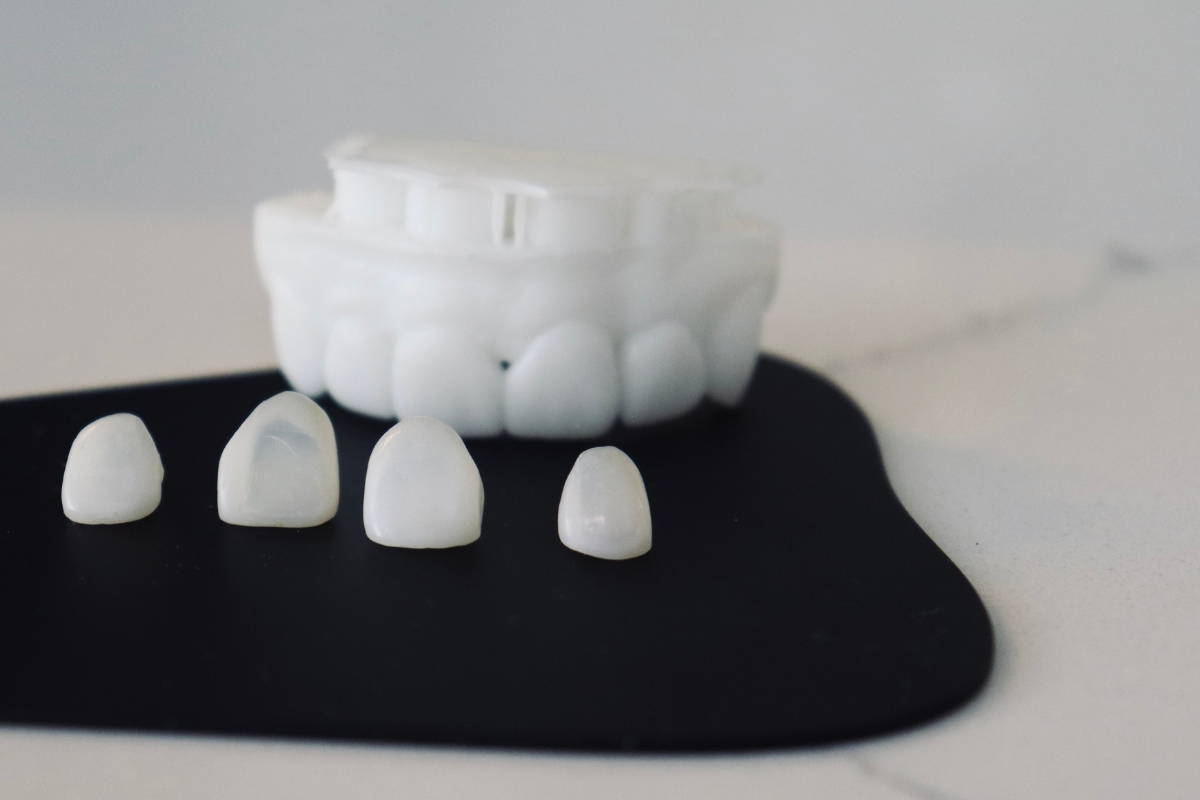
Dental crowns are often used to protect teeth that have been weakened by damage, decay, or previous dental procedures. They cover the visible portion of a tooth and help restore normal function while improving the appearance of the smile. Crowns are strong and designed to last for years, but they are not meant to stay forever in every situation.
Sometimes a crown may become loose, worn down, cracked, or uncomfortable. In other cases, the tooth underneath the crown may develop a problem that needs treatment. When this happens, a dentist may recommend removing the crown to examine the tooth and decide on the next step.
Many people feel anxious when they hear a crown has to be taken off, but the procedure is usually more routine than expected. An experienced Fargo dentist can safely remove a crown while keeping the natural tooth protected as much as possible.
Why Would a Dental Crown Need to Be Removed?
There are several situations where removing a dental crown becomes necessary.
Decay Around the Tooth
Even with a crown in place, bacteria can still collect near the gumline or around the edges of the restoration. If decay develops beneath the crown, the dentist will need to remove it to clean and repair the tooth.
Damage to the Crown
Crowns handle a lot of pressure every day from chewing and biting. Over time, they may chip, crack, or wear down. A damaged crown may not protect the tooth properly anymore and often needs replacement.
The Crown Feels Loose
A crown that shifts while eating or speaking should not be ignored. Loose crowns can trap food and bacteria underneath, which may lead to sensitivity or infection.
Bite Problems or Discomfort
If the crown no longer lines up properly with surrounding teeth, it can affect your bite and cause jaw discomfort or gum irritation.
Cosmetic Reasons
Some patients decide to replace older crowns because they want a more natural appearance or a better color match with nearby teeth.
How Does a Dentist Remove a Crown?
The process depends on the condition of the crown and the tooth underneath, but dentists follow careful steps to keep the procedure comfortable and safe.
Examining the Tooth
Before starting, the dentist checks the crown and surrounding area. X-rays may be taken to look for hidden problems below the crown or inside the tooth.
Keeping the Area Comfortable
A local anesthetic is usually used so the patient stays comfortable throughout the appointment. Most patients only notice slight pressure during the procedure.
Separating the Crown From the Tooth
The crown is attached using strong dental cement. To remove it, the dentist gently loosens the bond with special instruments. In some situations, a small opening may be made in the crown to help lift it off safely.
Taking Off the Crown
Once the crown loosens, the dentist carefully removes it from the tooth. Some crowns come off easily in one piece, while others may need to be cut into sections first.
Checking the Tooth Underneath
After the crown is removed, the dentist looks closely at the tooth to check for cavities, cracks, or infection. The next treatment depends on what is found during the exam.
Temporary Protection
If a new crown is needed, a temporary restoration may be placed while the permanent crown is being prepared.
Is the Procedure Painful?
Most patients are surprised by how simple the process feels. Since the tooth and surrounding tissue are numbed beforehand, discomfort during the procedure is usually very minimal. Some mild soreness afterward is possible, especially if the tooth underneath was irritated before treatment.
What Happens After the Crown Is Removed?
The next step depends on the condition of the tooth. In some cases, the tooth only needs a new crown. In others, additional treatment such as a filling or root canal may be recommended before the final restoration is placed.
Your dentist will explain the condition of the tooth and discuss the best option for restoring strength and comfort.
Caring for Your Crown and Teeth
Good oral hygiene can help crowns last longer and reduce the risk of future problems. Brushing carefully around the gumline, flossing daily, and attending regular dental visits all play an important role in protecting crowned teeth.
It is also helpful to avoid habits like chewing hard objects or grinding your teeth, since these habits can place extra stress on dental restorations.
Final Thoughts
Removing a dental crown is a common procedure that dentists perform regularly to protect and restore oral health. Whether the crown is damaged, loose, or hiding decay underneath, addressing the issue early can help prevent more serious dental problems later.
If you are dealing with discomfort or concerns about a dental crown, the team at Dakota Smiles can evaluate your tooth and recommend the right solution for your smile. Schedule an appointment today to keep your teeth healthy and functioning their best.
Frequently Asked Questions
Can a dentist remove a crown without hurting the tooth?
Yes. Dentists use specific tools and techniques designed to protect the natural tooth while removing the crown carefully.
How long does crown removal usually take?
The procedure is often completed in one visit, although the total appointment time depends on the condition of the crown and tooth.
Will I need another crown afterward?
Most of the time, a replacement crown is recommended to continue protecting the tooth.
What should I do if my crown feels loose?
You should contact your dentist as soon as possible. Waiting too long may increase the risk of decay or tooth damage.
Can crowns last a lifetime?
Crowns are durable, but they may eventually need replacement because of wear, damage, or changes in the tooth underneath.

