
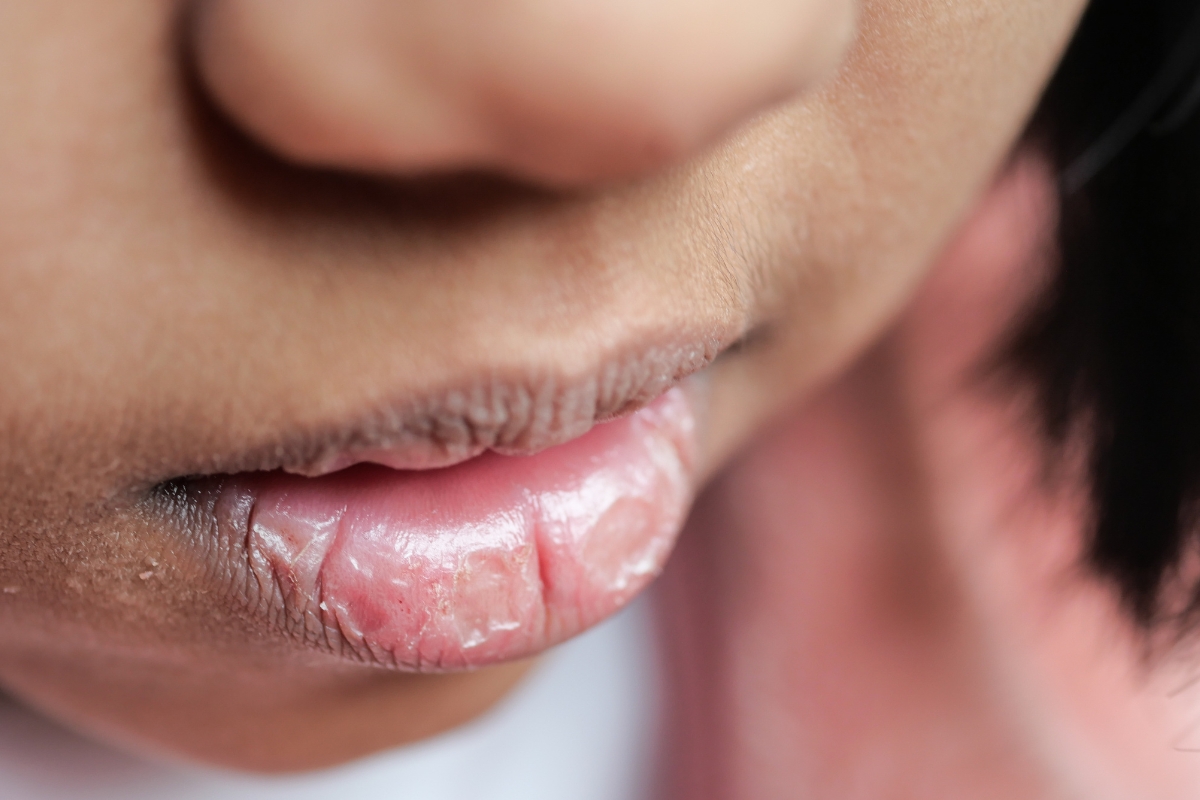
Dry mouth, medically known as xerostomia, occurs when your mouth doesn’t produce enough saliva to stay moist. Saliva is crucial for maintaining oral health—it helps wash away food debris, neutralize acids, lubricate tissues, and aid in digestion. When your mouth becomes dry, you may experience discomfort, difficulty speaking or swallowing, and an increased risk of dental problems.
Understanding Dry Mouth and Its Symptoms
Dry mouth can feel like more than just thirst—it’s often accompanied by several noticeable signs, such as:
- Persistent dryness and thirst throughout the day
- A sticky or rough sensation in your mouth
- Difficulty tasting or distinguishing flavors
- A dry, cracked, or sore tongue
- Mouth sores or irritation inside the cheeks or lips
- Hoarseness or voice changes
- Trouble chewing or swallowing foods
If these symptoms persist, it’s important to talk to a dentist in Fargo, ND, who can identify the underlying cause and recommend suitable treatment options.
Common Causes of Dry Mouth
Dry mouth can be triggered by many factors, some temporary and others chronic. These include:
- Medications: Antidepressants, decongestants, antihistamines, and blood pressure medicines often list dry mouth as a side effect.
- Dehydration: Inadequate fluid intake or excessive sweating can reduce saliva flow.
- Medical Conditions: Diabetes, Sjögren’s syndrome, and autoimmune disorders can impact saliva production.
- Aging: Natural aging processes slow down salivary gland function.
- Smoking and Tobacco Use: These habits irritate the mouth and decrease saliva flow.
Identifying the specific cause helps your dental professional develop a customized treatment plan to restore moisture and comfort.
Why Hydration Is Vital for Dry Mouth
Saliva is composed primarily of water, so hydration plays a vital role in maintaining a healthy mouth. Without enough saliva, bacteria can thrive, plaque can build up faster, and the risk of tooth decay and gum disease increases.
How Much Water Should You Drink Daily?
A general guideline is to drink eight 8-ounce glasses of water a day (about 2 liters). However, your personal needs may vary depending on activity level, diet, and climate. Listening to your body’s thirst cues is key—if your mouth feels dry, it’s time to rehydrate.
Tips to Stay Hydrated Throughout the Day
- Flavor your water: Add slices of lemon, cucumber, or mint for a refreshing twist.
- Eat water-rich foods: Watermelon, cucumber, lettuce, and oranges are hydrating and nutritious.
- Sip consistently: Instead of gulping large amounts infrequently, sip water regularly.
- Try herbal teas: Unsweetened herbal teas such as chamomile or peppermint can soothe the mouth.
Top 10 Foods to Relieve Dry Mouth and Boost Saliva
Certain foods can naturally stimulate saliva production and keep your mouth comfortable. Add these options to your daily routine:
- Watermelon: Over 90% water, this fruit hydrates while delivering vitamins A and C for healthy mucous membranes.
- Cucumber: Containing about 95% water, cucumbers refresh your mouth and provide potassium and magnesium.
- Celery: Its crunchy texture encourages saliva flow and mechanically cleans teeth.
- Leafy Greens: Spinach, kale, and lettuce are rich in water and vitamin A, promoting mucosal health.
- Yogurt: Unsweetened yogurt with probiotics helps balance oral bacteria and may ease dry mouth symptoms.
- Soups & Broths: Warm broths are soothing, hydrating, and packed with electrolytes that replenish fluids.
- Unsalted Nuts: Almonds and cashews stimulate chewing and saliva flow while offering protein and healthy fats.
- Apples & Pears: Crunchy, high-fiber fruits help cleanse the mouth and promote moisture.
- Sugar-Free Gum: Chewing gum with xylitol increases saliva and helps protect teeth from decay.
- Herbal Teas: Unsweetened teas such as chamomile, ginger, or peppermint hydrate and calm oral tissues.
Incorporating these foods into a balanced diet supports both hydration and oral health.
Dietary Adjustments for Managing Dry Mouth
Beyond adding hydrating foods, making mindful dietary changes can reduce discomfort:
- Avoid Dry, Sticky, and Sugary Foods: Items like crackers, chips, and dried fruits absorb moisture and worsen dryness.
- Limit Alcohol and Caffeine: These substances are dehydrating and may exacerbate symptoms.
- Use Sugar-Free Lozenges or Mints: Xylitol-based options encourage saliva production and freshen breath.
- Choose Softer Foods: Mashed potatoes, smoothies, yogurt, and oatmeal are gentle on the mouth and easier to swallow.
Natural Remedies and Lifestyle Adjustments
Sialagogues (Saliva-Stimulating Medications)
Prescription sialagogues can enhance saliva flow, though they may cause mild side effects. Consult your Fargo dentist or doctor before using these.
Oral Lubricants & Moisturizing Sprays
Over-the-counter sprays or gels create a thin coating inside the mouth to reduce friction and dryness, offering temporary comfort.
Healthy Habits to Adopt:
- Quit Smoking: Tobacco dries the mouth and increases oral infection risk.
- Breathe Through Your Nose: Mouth breathing accelerates dryness—try nasal breathing whenever possible.
- Use a Humidifier: Especially helpful at night, humidifiers add moisture to indoor air and relieve symptoms.
While these remedies ease discomfort, addressing the root cause with professional help ensures lasting results.
Maintaining Oral Hygiene with Dry Mouth
A dry mouth creates a favorable environment for bacterial growth, increasing the likelihood of cavities, gum disease, and bad breath. To combat these risks:
- Brush and Floss Gently: Use a soft-bristled brush and mild toothpaste formulated for sensitive mouths.
- Avoid Alcohol-Based Mouthwashes: Choose alcohol-free rinses with fluoride or moisturizing agents.
- Visit Your Dentist Regularly: Routine checkups with a dentist Fargo, allow early detection of issues and guidance on specialized care.
Winning the Battle Against Dry Mouth
Managing dry mouth requires a comprehensive approach that includes hydration, smart food choices, good oral hygiene, and professional support. Here’s a quick recap of how to find relief:
- Stay Hydrated: Drink water consistently and include hydrating foods and teas.
- Adjust Your Diet: Limit dehydrating foods and drinks, and favor soft, moist options.
- Try Natural Remedies: Sugar-free gum, lozenges, humidifiers, and oral sprays can provide comfort.
- Get Professional Guidance: Persistent dryness may indicate an underlying condition—your dentist can identify and treat it effectively.
By making small yet consistent changes in your diet and habits, you can protect your teeth, maintain comfort, and support long-term oral health.
Frequently Asked Questions
1. Can dry mouth lead to bad breath?
Yes. A lack of saliva allows bacteria and food particles to accumulate, causing unpleasant odors.
2. What helps with dry mouth at night?
Keep water nearby, use a humidifier, and consider sugar-free lozenges before bed to maintain moisture.
3. How can I sleep better with dry mouth?
Stay hydrated during the day, avoid caffeine and alcohol before bedtime, and discuss nighttime mouth-moisturizing solutions with your dentist.
Final Thoughts
Dry mouth can be uncomfortable, but it’s manageable with proper hydration, dietary adjustments, and regular dental care. If you live in or around Fargo, ND, contact your local dentist to find the right plan for lasting relief and improved oral health.

