
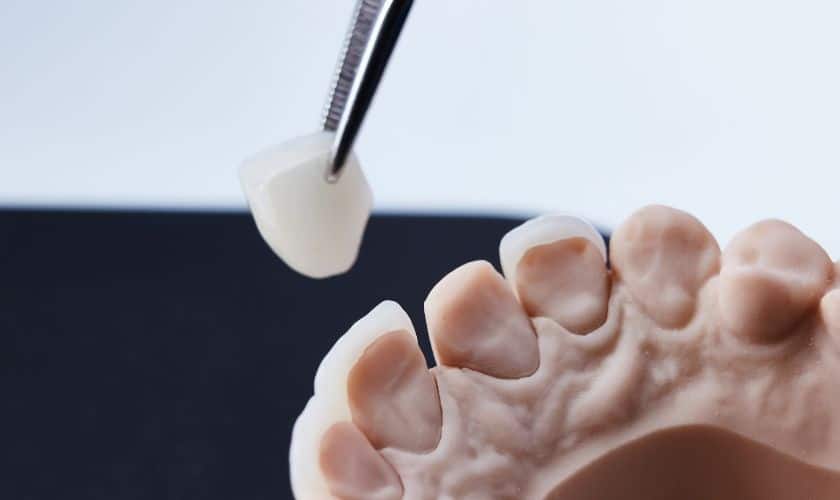
In the world of cosmetic dentistry, veneers have become a popular solution for enhancing smiles and restoring confidence. These thin shells, typically made from porcelain or composite resin, are custom-designed to fit over the front surface of teeth, concealing imperfections and creating a natural-looking appearance. However, with multiple types of veneers available, it can be challenging to determine which option is the best choice for your needs. In this guide, we’ll explore the different types of veneers and help you make an informed decision.
Understanding Veneer Options
1. Porcelain Veneers
Porcelain veneers are crafted from high-quality ceramic material and are known for their durability, stain resistance, and ability to mimic the translucency of natural teeth. They are custom-made in a dental laboratory based on impressions of your teeth, ensuring a precise fit and a seamless blend with your smile. Porcelain veneers are often favored for their longevity, with proper care and maintenance, they can last for 10-15 years or even longer.
2. Composite Resin Veneers
Composite resin veneers are made from a tooth-colored filling material that is applied directly to the teeth and shaped to achieve the desired appearance. Unlike porcelain veneers, which are fabricated in a lab, composite veneers are created chairside by the dentist, allowing for a quicker turnaround time. While composite veneers are more affordable than their porcelain counterparts, they are generally less durable and may be more prone to staining over time.
Factors to Consider
When choosing between porcelain and composite veneers, several factors should be taken into account:
1. Aesthetic Preferences
Porcelain veneers offer unparalleled translucency and natural-looking results, making them an excellent choice for individuals seeking a flawless smile. However, composite veneers can also provide beautiful outcomes when applied skillfully by a cosmetic dentist.
2. Durability
Porcelain veneers are highly durable and resistant to chipping, cracking, and staining, making them a long-lasting investment in your smile. While composite veneers are less durable than porcelain, they can still provide several years of improvement with proper care.
3. Cost
The cost of veneers varies depending on factors such as material, complexity of the case, and geographic location. Porcelain veneers tend to be more expensive than composite veneers due to the materials and fabrication process involved.
4. Timeframe
Porcelain veneers typically require two or more dental appointments to complete, as they are custom-made in a lab. On the other hand, composite veneers can often be applied in a single visit, offering a quicker solution for individuals with time constraints.
Making Your Decision
Ultimately, the best type of veneers for you will depend on your unique needs, preferences, and budget. Consulting with a skilled cosmetic dentist is essential to determine the most suitable option for achieving your desired smile makeover. During your consultation, your dentist will evaluate your oral health, discuss your goals, and recommend the most appropriate treatment plan.
Whether you choose porcelain or composite veneers, investing in your smile can have a transformative impact on your confidence and self-esteem. With proper care and maintenance, veneers can provide you with a radiant smile that you’ll be proud to show off for years to come.
In conclusion, when considering which type of veneers are the best, it’s essential to weigh the aesthetic preferences, durability, cost, and timeframe of each option. By carefully evaluating these factors and consulting with a qualified dentist, you can make an informed decision that will enhance your smile and boost your self-confidence.

